Affiliate disclosure: This article contains affiliate links. If you purchase through them, we may earn a commission at no additional cost to you. As an Amazon Associate I earn from qualifying purchases.
Potty training 101 starts with understanding what your child is ready to learn. A short video can be a conversation starter, but it cannot tell you whether a child is ready or explain the cause of discomfort.
Watch the original Gassy Baby clip below, then use five gentle checks for readiness, setup, practice, hygiene and supplies. The final check helps you decide what you need without treating a shopping list as a shortcut to toilet learning.
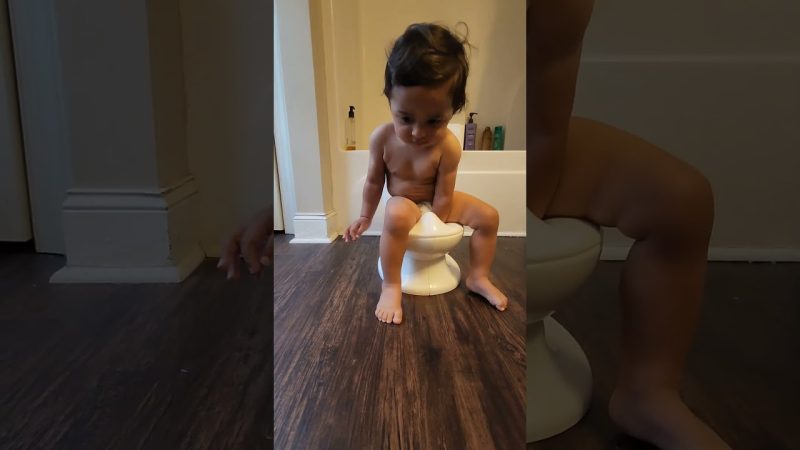
The original Gassy Baby video
Watch the original video on YouTube. The source page identifies BAM Media as the creator and shows a 13-second duration with no written description. The guidance below is an independent companion, rather than a transcript or an endorsement of a method shown in the clip.
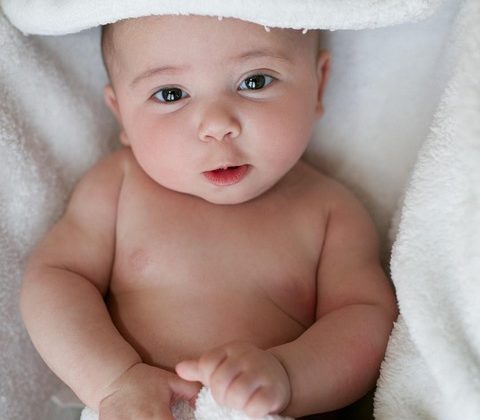
The word gassy in a video title is not a diagnosis. Do not treat infant gas as a sign of toilet-training readiness or expect potty practice to treat it. For a separate care topic, see our baby digestion guide.
1. Begin potty training 101 with readiness
The AAP toilet-training guide describes readiness signs such as longer dry periods, noticing the need to pee or poop, following simple directions and helping with clothes. Interest in the potty also matters.
A birthday or a video does not establish readiness. Observe your own child and discuss questions with their clinician. A child may be able to do one part of the process while still needing help with another.
Keep observations simple. Note what your child can communicate and what assistance they need rather than assigning a deadline for success. If your child has additional care needs, ask for guidance that fits those needs.
2. Make the setup comfortable and practical
The AAP guide recommends a child-sized potty with feet reaching the floor, or a foot-supporting stool when moving to a regular toilet. Follow the exact equipment’s instructions.
Check how the seat is installed, how it is cleaned and whether your child can use the setup with the help you will provide. A product photo does not establish fit or stability in your bathroom.
Keep toiletries and cleaning products out of children’s reach. Plan where an adult will stand and how the child will get help. Do not improvise a toilet seat from a container or other storage item.
3. Keep practice calm and separate from performance
The AAP advises keeping toilet learning positive, building a routine and avoiding punishments or power struggles. Concerns before, during or after training are a reason to speak with the child’s doctor.
You can explain the steps in familiar words without asking your child to perform for a camera or an audience. A family video and a real child’s learning process have different purposes.
Use the same simple language with other caregivers when possible. Discuss the assistance your child needs, not just the outcome you hope to see. An adult can support the process without turning each attempt into a test.
Our toddler morning routine guide offers ideas for organizing the surrounding day without promising a fixed toilet-training timeline.
4. Plan cleanup and handwashing
The CDC handwashing guide recommends washing after using the toilet, changing diapers or cleaning a child who has used the toilet. Use soap and clean running water, scrub for at least 20 seconds, rinse and dry.
Help your child with the parts they cannot manage yet. Wipes used for cleanup do not replace washing hands. Follow the potty and surface-cleaning instructions rather than assuming a wipe is a disinfectant.
Optional cleanup item: Huggies Natural Care Sensitive Unscented Wipes, 768 Count
The observed Huggies unscented wipes listing contains 768 wipes in twelve 64-count packs. Compare the current ingredients and your child’s tolerance before buying a large supply. These are an optional personal-cleanup item for an appropriate care routine, not a handwashing substitute, toilet-training aid or treatment for discomfort. Follow the disposal directions rather than assuming they can be flushed.

Check current details on Amazon
5. Buy for the care task, not a training promise
Before buying anything, identify the task it will support. A suitable potty setup and items you already use for cleanup may be enough. A matching accessory set is not necessary to begin a conversation about toilet learning.
If your child still uses diapers for part of their routine, a pail may support disposal. If they do not, it may have no purpose in your setup. Consider available space and the emptying routine before adding one.
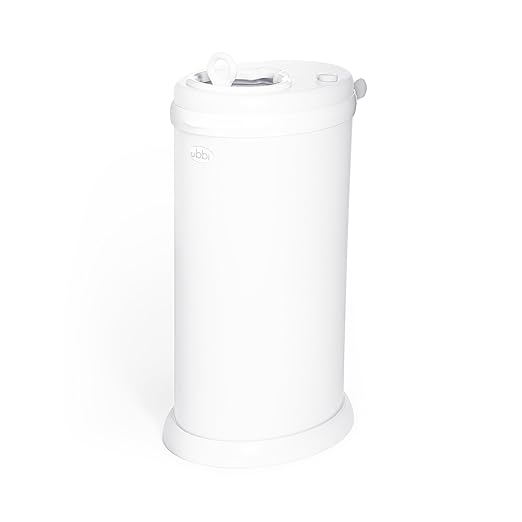
Optional cleanup item: Ubbi Stainless Steel Diaper Pail, White
The observed white Ubbi diaper pail has a steel body, sliding lid with a lock and compatibility with standard trash bags. It is an optional disposal item for families still using diapers. Compare its dimensions and cleaning directions with your space. The lock is not a childproof guarantee and odor-control features do not promise an odor-free room. Keep bags away from children.
Check current details on Amazon
Frequently asked questions
Is the Gassy Baby clip a complete potty-training guide?
No. The source page lists a 13-second clip without a description. Use the linked AAP guidance and your child’s clinician for care questions instead of relying on a short video as a complete method.
Does a gassy baby need potty training?
Gas is not a readiness test. Keep questions about discomfort separate from toilet learning, and ask the care team about symptoms or concerns.
Do I need special wipes for potty training?
A particular wipe brand is not required. Compare ingredients and instructions for the cleanup task, and keep soap-and-water handwashing part of the routine.
Will a potty or diaper pail speed up learning?
A product can support a practical task, but it does not guarantee faster learning. Choose equipment for fit and use rather than a promised timeline.
Begin potty training 101 by observing your child, planning a comfortable setup and keeping communication calm. Let the video remain a short viewing experience while real care decisions follow your child’s needs.