
Affiliate disclosure: This article contains affiliate links. If you purchase through them, we may earn a commission at no additional cost to you. As an Amazon Associate I earn from qualifying purchases.
Baby care at home can feel unfamiliar even when you have prepared the nursery. The first days are a good time to turn your discharge instructions into a plan everyone helping you can follow.
Here you will find the original newborn video and four practical checks: where your baby sleeps, how feeding equipment gets cleaned, who to call with concerns and what to share with another caregiver. You will also find two optional supply comparisons. Keep the contact information accessible from the start, rather than waiting until a question feels urgent.
Get help promptly: If your baby is 3 months old or younger and has a rectal temperature of 100.4°F (38°C) or higher, call the pediatrician immediately, even without other symptoms. Breathing difficulty, blue or grey skin, or being difficult to wake requires emergency help. Do not wait to finish this article.
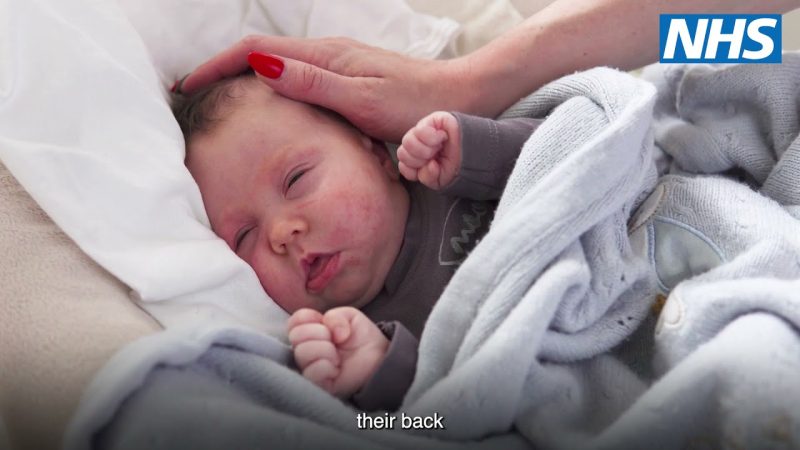
Original video: baby care at home
The original post introduced this video as information about what to expect in the first few days after birth. Its embed and source link remain here. The checklist below is independently written supporting guidance, not a transcript or a claim to reproduce the video’s instructions.
Watch the original baby care video on YouTube
1. Check the sleep space before the next nap
The AAP sleep guide recommends putting infants on their backs on a firm, flat surface in suitable infant sleep equipment. Use the mattress designed for that equipment and a correctly fitting sheet. Keep pillows, toys and loose bedding out.
Room sharing means using a separate infant sleep space. A car seat, swing or carrier is not a replacement. Avoid weighted sleep products. These precautions reduce risk; no product guarantees prevention of sleep-related death.
Read the equipment manual together if someone else will put the baby down. A written shopping list cannot show whether a particular setup is correct. Resolve missing parts or unclear instructions before using it.
Our newborn sleep guide offers further questions for planning the space. Keep the same instructions available to every caregiver.
2. Make feeding cleanup part of baby care at home
Keep your baby’s individual feeding instructions close to the supplies. Ask the care team about feeding effectiveness, preparation or bottle flow when needed. A marketing label cannot tell you which equipment will suit your baby.
The CDC cleaning guide recommends cleaning bottles after every feed and separating all parts. Follow the appropriate washing method, air-dry thoroughly and protect clean items during storage. A rinse does not replace cleaning.
Daily sanitizing needs particular attention for babies under two months, babies born prematurely and those with weakened immune systems. The CDC explains when a suitable hot dishwasher cycle with heated drying or a sanitizing setting can make a separate sanitizing step unnecessary. Check the full instructions and the item’s manufacturer guidance.
Optional supply: Dr. Brown’s Options+ Narrow Baby Bottles, 4 oz, 4 Pack
The observed Dr. Brown’s set includes four 4 oz narrow bottles with internal vents. Compare the nipple flow and cleaning instructions with your feeding plan. All vent parts need appropriate cleaning too. An anti-colic label does not guarantee less crying, easier feeds or longer sleep.

Check current details on Amazon
If your existing supplies meet your needs, another set may be unnecessary. Our paced bottle-feeding guide provides questions to discuss with your care team.
3. Keep care contacts where you can find them
The AAP fever guide advises an immediate call to the pediatrician for babies 3 months old or younger with a rectal temperature of 100.4°F (38°C) or higher. Feeling the skin is not an accurate temperature measurement. Ask your clinician to show you the appropriate method and follow device instructions.
The NHS urgent-care guide identifies breathing difficulty, blue or grey skin and difficulty waking as serious warning signs. Contact local emergency services for these signs. Poor feeding or a concerning change in wet diapers also deserves prompt medical advice; do not rely on a shopping suggestion to assess illness.
Write down the pediatrician’s number, the after-hours route and your local emergency number. Tell other caregivers where they are. If you think something is seriously wrong, seek help even if the baby does not match a complete symptom list.
Your discharge plan is the starting point for baby care at home. Make it accessible without trying to turn every day into an identical timetable. Another caregiver needs the current instructions and a way to ask questions.
| Topic | Information to share |
|---|---|
| Sleep | Equipment instructions and placement |
| Feeding | Individual feeding and preparation plan |
| Cleanup | Where clean supplies and washing instructions are kept |
| Contacts | Pediatrician, after-hours help and emergency number |
Ask for specific help such as preparing a meal, cleaning feeding equipment or handling a household task. Care is easier to coordinate when the request is clear. Our newborn routine guide offers another planning resource to discuss alongside your individual instructions.
Frequently asked questions about baby care at home
Does this checklist summarize the video?
No. The original embed and source link are preserved. The four checks are independently written supporting content. Watch the video for the source’s own discussion.
Should I wait to see whether a newborn fever improves?
Follow the immediate-contact advice above for babies 3 months old or younger at the stated rectal temperature. Do not delay getting help to try a product or home remedy.
Do I need to buy every optional supply?
No. Review what you already have and compare only items that meet a real need. Product features cannot diagnose feeding difficulties or replace care instructions.
What should I share with a helper first?
Show the current care plan, the sleep setup and the contact information. Make questions welcome so a helper does not have to guess.
Optional cloths for supervised feeding cleanup
Optional supply: Yoofoss Muslin Burp Cloths, White, 10 Pack, 20 by 10 inches
The observed Yoofoss White ten-pack contains 20 by 10 inch cloths listed as 100% cotton muslin. Compare the quantity and care instructions with your laundry routine. Organic certification has not been independently verified. Use for supervised cleanup and burping, inspect for wear and keep loose cloths out of infant sleep spaces. They do not prevent reflux, choking or spit-up.

Check current details on Amazon
Use this baby care at home companion to organize your next conversation and caregiver handoff. Keep the original video available, follow the individual care plan and choose supplies around actual needs.









8 comments
Wait is there any way you can tell me how to do the hole at the back of the shoe to slot the wires through because I want to wear them on the street but I don't want wires sticking out. Any way how?
Hey
TEMPERATURE
people going on about the car seat, they haven't even spelt the word temperAture right lol
❤❤❤tnx
Really concerning on the car seat safety! I'd suggest getting your staff to train themselves up and make sure this video is updated.
This is NOT appropriate car seat safety. NHS you should know better. Unsafe jacket with hood, missing protection pads and improper placement
The car seat section isn’t a good representation of a safe install and the baby isn’t safely restrained.