


Affiliate disclosure: This article contains affiliate links. If you purchase through them, we may earn a commission at no additional cost to you. As an Amazon Associate I earn from qualifying purchases.
Baby immune system advice can make ordinary care feel like a test: find the right food, allow just enough germs and buy the perfect supplement. A healthier approach starts with appropriate nutrition, practical hygiene and a care plan, without promising that a routine will prevent every infection.
These ten checks cover feeding, sleep, exploration, solids, vitamin D, cleaning, comfort, caregiver support, antibiotics and follow-up. You will learn which claims deserve a closer look and what to ask the pediatrician. The final check helps turn a worrying symptom into a clear call for advice.
Urgent symptoms come first. Seek emergency help for severe breathing difficulty or unresponsiveness. For a baby three months or younger with a rectal temperature of 100.4°F (38°C) or higher, AAP fever guidance says to call the pediatrician immediately. Do not wait for a natural remedy or assume a young infant’s illness is immunity training.
This article does not assess immune function or replace individualized care. Ask promptly about poor feeding, difficulty waking, concerning diaper changes or a symptom that worries you. No product featured here is an immunity treatment.
1. Put baby immune system claims in a feeding context
The CDC childhood vaccine resource explains that breast milk offers protection against some infections while the baby’s immune system develops. It does not protect against every disease or replace recommended vaccination.
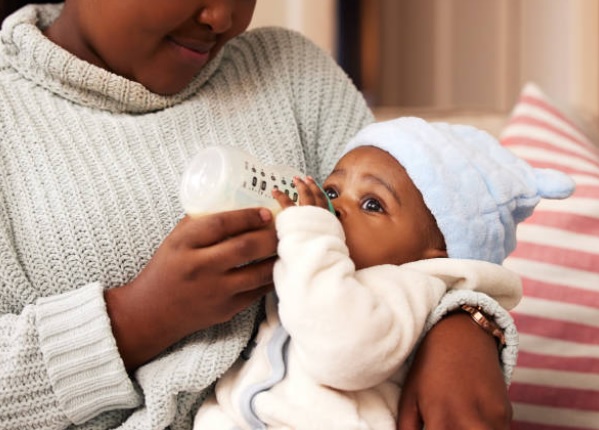
Ask the care team for feeding support suited to your family, whether you use breast milk, infant formula or a combination. A special ingredient or a product’s gut-health wording does not establish that it will prevent your baby’s infections.
Follow the feeding plan, preparation instructions and advice about growth or intake concerns. Love and intention matter to families, but they are not a substitute for enough nutrition or for help with feeding difficulty.

2. Keep sleep advice grounded in safety
A familiar settling sequence may help organize the evening, but a sleep accessory or a longer nap is not proof of stronger immunity. Follow instructions about feeding and waking rather than delaying a needed feed to extend sleep.
The AAP sleep and play guide recommends back sleeping on an appropriate firm, flat surface with no loose items. Tummy time belongs to awake, closely supervised play.
Our newborn sleep guide offers related questions. Safe sleep remains important even when a baby is congested or caregivers are tired.
3. Let exploration coexist with hygiene
Do not deliberately expose a baby to dirt, sick people or animal saliva to train immunity. Supervised exploration can be part of the day without treating germ exposure as a health intervention.
The CDC animal hygiene guide notes that animals can carry harmful germs even when they look clean and healthy. Wash hands after handling animals, their supplies or waste and before preparing food. Supervise children’s handwashing.
Check the play area for hazards and follow the baby’s care team’s advice if additional infection precautions are needed. Our home babyproofing guide addresses related practical checks.
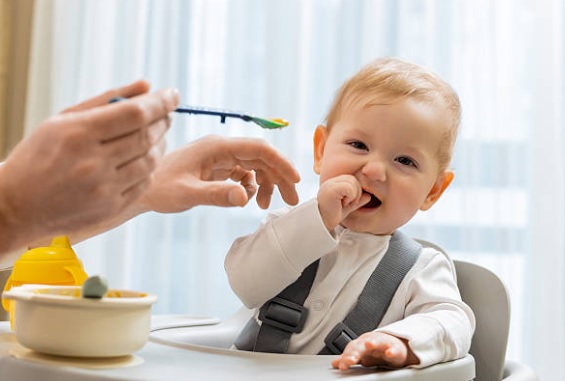
4. Offer varied solids when developmentally ready
The CDC solids guide describes beginning at about six months with developmental readiness. Introduce foods for nutrition and feeding development rather than as guaranteed immunity boosters.
Vegetables, fruit, proteins and appropriate fortified cereals can be part of a varied diet. Prepare textures for the baby’s abilities and watch throughout eating. Do not offer whole berries or another round food simply because a list calls it healthy.
The same guide distinguishes plain yogurt from cow’s milk as a drink: yogurt can be introduced before twelve months, while cow’s milk as a drink is not recommended until after twelve months. Ask about allergy concerns and individualized food introduction. A yogurt or probiotic claim is not a reason to treat illness without assessment.
Optional supply: OXO Tot Silicone Spoons, 2 Pack, Blossom and Opal
The observed OXO Tot listing contains two flexible silicone feeding spoons. Compare the current care instructions and use only with foods appropriate for the baby’s readiness and abilities. An adult should supervise every meal. A spoon is a feeding tool, not a supplement or a product that strengthens immunity.


Check current details on Amazon
5. Discuss vitamin D without prescribing sun exposure
The CDC vitamin D guide describes its role in bone health and preventing rickets. Babies receiving only breast milk or both breast milk and formula need 400 IU daily supplementation beginning shortly after birth. Formula intake affects whether supplementation is needed.
Ask the clinician to confirm the appropriate product, concentration and amount for your baby. Do not combine supplements or use an immunity label as a dosing instruction.
Do not use a timed period of direct sunlight as the baby’s vitamin plan. The American Academy of Dermatology infant sun guide emphasizes shade, especially under six months, and suitable protective clothing. Ask about age-appropriate sun protection before an outing.
6. Distinguish cleaning from disinfecting
The CDC home cleaning guide distinguishes removing dirt and germs through cleaning from disinfecting surfaces. Clean regularly and use products suited to the surface. Illness or an increased infection risk can call for additional disinfection.
Follow the label, including contact time and ventilation, and keep chemicals out of children’s reach. Never mix cleaning products. Do not substitute vinegar or lemon for a disinfectant when disinfection is needed.
The CDC hand hygiene FAQ explains that baby wipes are not a substitute for handwashing to remove germs. Wash hands with soap and water after changing diapers. Surface disinfecting wipes are not skin wipes.

7. Keep comfort separate from medical claims
Ask the care team about gentle touch or skin-to-skin contact that suits the baby’s needs. Stop an activity that causes discomfort and make sure the caregiver can remain alert and supervise.
Do not treat massage as proven to strengthen immunity, or add candles, smoke or scented products to make a session medically beneficial. Comfort does not replace assessment of a baby who is unwell.
If holding the baby makes the caregiver sleepy, return the baby to the appropriate sleep space rather than continuing a cuddle while dozing. Follow any additional handling advice for the baby’s health situation.
8. Make caregiver support practical
Arrange help with meals, chores or a supervised care shift so one person is not responsible for every task. Share the feeding instructions, safe sleep setup and contact numbers with the next caregiver.
A parent’s stress is not evidence that they have weakened their baby’s immune system. If exhaustion, mood or anxiety is making care difficult, ask a qualified professional for support. Do not turn wellbeing advice into blame.
Our parenting support guide offers related ideas for arranging help. A workable plan can be more useful than trying to keep the entire house perfect.
9. Use antibiotics when the diagnosis calls for them
The AAP antibiotic guide explains that antibiotics treat bacterial infections, not viruses. Unnecessary treatment can cause side effects, but this is not a reason to refuse a needed prescription.
Ask what the medicine treats, how to give it and what should prompt a follow-up call. Do not share leftover antibiotics or change prescribed treatment to let an infant’s body train itself.
Advice about an older child’s routine cold should not be applied automatically to a newborn. The baby’s age and symptoms matter when deciding how quickly care is needed.
10. Prepare a follow-up plan instead of judging immunity
When you call, describe the baby’s age, symptom and onset, feeding and diaper changes, and any temperature reading with the method used. Ask where and how quickly the baby should be seen.
Discuss recommended vaccines and other applicable infection prevention with the pediatrician. The CDC childhood vaccine resource explains that breastfeeding does not replace vaccination. A natural-care preference should not delay appropriate preventive care.
Do not label repeated or severe illness as automatically normal, or use the number of colds alone to judge immune function. Bring the pattern and your concerns to the clinician. Our baby care guide provides related questions.
Frequently asked questions
Can I boost a baby immune system with one food?
No single food guarantees protection from infections. Offer appropriate nutrition and discuss the baby’s feeding and preventive care plan.
Are natural remedies automatically appropriate for infants?
No. Ask about the exact substance, method and baby’s age before use. A natural label does not establish safety or effectiveness.
Should I wait to call about a young baby’s fever?
No. For a baby three months or younger with a rectal temperature of 100.4°F (38°C) or higher, call the pediatrician immediately.
An optional supply for the temperature-check plan
Optional supply: Frida Digital Rectal Thermometer for Babies, Newborns & Infants
The observed FridaBaby Quick-Read Digital Rectal Thermometer listing includes a stopper and case. It is for rectal use, not an interchangeable oral or ear device. Ask the clinician to demonstrate the appropriate method, follow the manual and wait for the final measurement signal. Owning a thermometer does not diagnose illness or make delaying care appropriate.

Check current details on Amazon
Approach baby immune system questions with practical care, accurate information and timely advice. A supply can help with a task without promising to prevent or treat infections.