


Affiliate disclosure: This article contains affiliate links. If you purchase through them, we may earn a commission at no additional cost to you. As an Amazon Associate I earn from qualifying purchases.
Baby care tips are worth keeping when they help you care for your baby today. A new app, a trending ingredient or an expensive gadget may catch your attention, but popularity does not establish a medical benefit or tell you whether you need it.
This guide revisits six subjects from the original 2025 page: feeding, sleep, diapering, gear, play and parent wellbeing. You will get practical checks and questions for your care team. The last check gives your own support needs a place in the plan, alongside the baby’s care.
Concerning symptoms need care, not another product. For severe breathing difficulty, blue coloring or unresponsiveness, seek emergency help. The AAP fever guide advises calling the pediatrician immediately when a baby three months or younger has a rectal temperature of 100.4°F (38°C) or higher. Follow the baby’s individualized instructions for other concerns.
The title is now evergreen, while the original URL is preserved. This is general guidance and a shopping comparison, not a hands-on product test or a claim that every family needs the featured supplies.
1. Baby care tips for feeding: follow the actual plan
Breastfeeding, expressed milk, formula or a combination can involve different tasks. Ask qualified professionals about preparation, intake, growth or feeding pain. Do not expect a tracking app to diagnose a latch problem or assess whether a baby is getting enough milk.
For solids, the CDC guide describes starting at about six months with developmental readiness. It discusses introducing potentially allergenic foods alongside other foods and obtaining advice about peanuts for babies with severe eczema or egg allergy. Do not turn the original page’s vague instruction to introduce allergens early into a newborn feeding recommendation.
Discuss persistent vomiting, feeding difficulty or growth concerns with the baby’s clinician. Do not start probiotic drops, change formula repeatedly or use a product’s gut-health slogan as a substitute for assessing the concern. A marketed ingredient or organic label is not proof that a product duplicates breast milk.


2. Evaluate sleep equipment before its smart features
AAP safe-sleep guidance recommends placing infants on their backs on a firm, flat, appropriate sleep surface. Keep pillows, blankets and soft objects outside. If swaddling, stop when the baby starts trying to roll and avoid weighted swaddles.
A caregiver’s chest, sofa or armchair is not a substitute for the infant sleep space. Plan how to put the baby back in their own space when the caregiver may become sleepy. Do not rely on a promise that a particular sound or rocking feature will solve waking.
The FDA warning about unauthorized infant vital-sign monitors explains risks from inaccurate readings and unevaluated devices. No device is authorized to prevent SIDS or SUID. Follow clinician instructions when medical monitoring is needed; consumer monitoring does not replace a care assessment or safe-sleep practices.
Our newborn sleep guide offers additional planning questions for caregivers.
3. Keep diaper changes focused on fit and skin care
Choose supplies that fit your routine and inspect how the baby’s skin responds. Change wet or soiled diapers promptly and clean gently. A sensor is optional; it does not replace checking the baby yourself.
The AAP diaper-rash guide explains that different rashes can look similar. It discusses gentle cleansing and barrier ingredients such as zinc oxide or petrolatum. Ask the clinician about a persistent, worsening or concerning rash rather than assuming every rash needs the same cream.
Unscented, natural or microbiome wording does not guarantee a product will suit every child. Environmental claims also need specific evidence: a compostable label is not proof that your local waste service accepts used diapers. Check the product instructions and local disposal rules.
Optional comparison: Huggies Natural Care Sensitive Unscented Wipes, 768 Count
The observed Huggies Natural Care Sensitive listing is an unscented 768-count pack, supplied as twelve 64-count packages. Compare the current ingredients, quantity and storage needs. Stop using a wipe that irritates the skin and seek care advice when needed. These are optional cleanup supplies, not a rash treatment or an environmental guarantee.


Check current details on Amazon
4. Separate useful gear from a promise of easier parenting
Identify the task before choosing equipment. A pump, carrier and stroller have different jobs and instructions. Ask about pump fit and cleaning, carrier position and size limits, or stroller compatibility rather than relying on a general must-have label.
Compare current manuals, space requirements and recalls. A carrier cannot promise freedom from back pain, and one-handed folding does not mean it is appropriate to hold a baby while operating every stroller. Follow the exact instructions and arrange a safe place for the child during setup.


A familiar supply you already have may be sufficient. Keep a registry list divided into needed for your care plan, optional convenience and can wait. That distinction helps you judge a new feature without turning it into another obligation.
5. Make play about interaction, not a brain-boosting claim
Talk, sing or share an appropriate book while noticing how the baby responds. Choose intact, age-appropriate objects and supervise play. You do not need a product that promises advanced development to spend time with your child.
The AAP’s 2026 media recommendations replace prior media guidance and discuss the child, content, calming, activities crowded out and communication. Use current resources and ask the pediatrician about your baby’s media environment rather than presenting an older rule as a newly announced policy.
Think about whether a screen interrupts shared play, feeding or sleep. A family plan can include adults’ device habits too. An educational label does not prove that a video or app benefits an infant.
6. Include support for the parent
Ask someone you trust for a specific practical task, such as a meal, laundry or help coordinating an appointment. Support does not have to mean buying a therapy app or joining a public group. Privacy and the kind of help you want matter.
The NIMH perinatal depression guide explains that depression can occur during pregnancy or after birth and is treatable. Severe symptoms or symptoms lasting longer than two weeks deserve professional attention; you do not need to wait two weeks to ask for help.
Tell a clinician when mood or anxiety interferes with daily life. Thoughts of harming yourself or the baby need immediate help. A shopping purchase, a gratitude exercise or reassurance that motherhood is naturally chaotic cannot replace professional care.
Our pregnancy and parenting expectations guide offers related support questions without promising an effortless experience.
| Care subject | Check before following a trend |
|---|---|
| Feeding | Does this fit the feeding plan and stage? |
| Sleep | Does the setup meet sleep guidance? |
| Diapering | Does the product suit the skin and routine? |
| Gear | What task does the exact model serve? |
| Play | Does it support appropriate interaction? |
| Parent wellbeing | What practical or professional support is needed? |
Frequently asked questions
Are the newest baby care tips always the best?
No. Check the source, the baby’s stage and your individual care instructions. A trend may describe marketing rather than a change in clinical guidance.
Can an app or monitor replace professional care?
No. Tracking can organize information, but concerning symptoms and feeding or growth questions need appropriate clinical advice.
Does asking for support mean I am not managing well?
No. Practical help and professional care can be part of the plan. You do not have to handle every task alone.
An optional carrier comparison for your routine
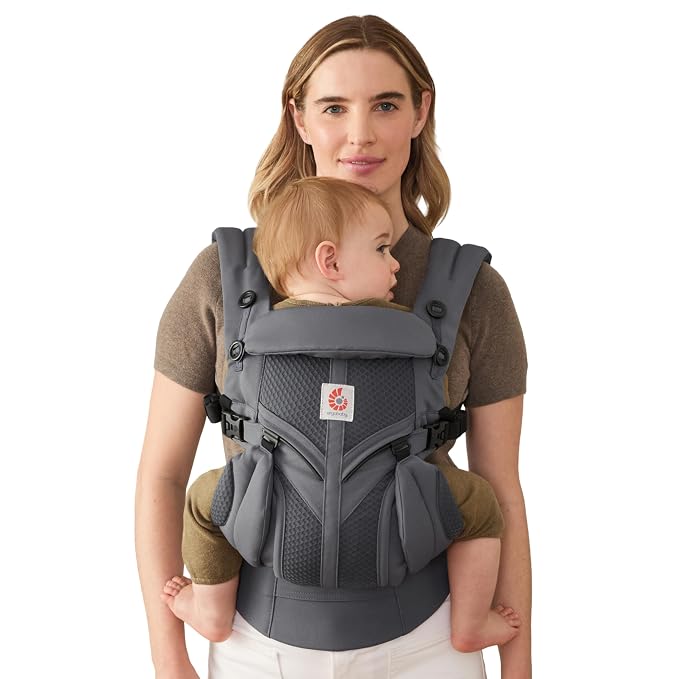
Optional comparison: Ergobaby Omni Classic Baby Carrier, Charcoal Grey
The observed Ergobaby Omni Classic SoftFlex Grey listing gives a 7 lb and 20 inch minimum and a 45 lb maximum. Each carrying position also has developmental and setup requirements; weight alone does not establish readiness for every mode. Compare the current manual and fit for both baby and caregiver, keeping the face visible and airway clear. This is an optional carrying comparison, not a vehicle restraint, an infant bed or a guarantee against back pain.
Check current details on Amazon
Keep baby care tips centered on a useful question: what does this child or caregiver need now? Confirm the care plan, choose supplies for their intended job and seek help when the answer is uncertain.