Affiliate disclosure: This article contains affiliate links. If you purchase through them, we may earn a commission at no additional cost to you. As an Amazon Associate I earn from qualifying purchases.
Baby accessories can fill a registry faster than they solve a problem. Before adding another gadget, ask which care task it supports and whether something you already own can do the job.
This guide covers six categories: diaper changes, clothing, feeding, sleep, outings and play. You will get a practical comparison checklist and two optional product examples. The final category shows why choosing for the baby’s abilities matters more than buying a toy that promises faster development.
Start with age, size, available space and the care routine. An accessory does not replace adult supervision, correct installation or an individual feeding plan.
1. Organize baby accessories for diaper changes
Keep needed supplies within the caregiver’s reach so the change does not begin with a search for wipes or clean clothes. A small basket or an existing drawer may work as well as a new caddy.
Compare a changing pad’s intended surface, cleaning instructions and storage size. Follow its directions and keep the baby supervised throughout a change. A pad or pocket does not make it safe to step away.
A wipes warmer is an optional convenience rather than an essential way to protect skin. Read electrical and cleaning instructions if you use one. Unscented products still need to suit the baby’s skin, and persistent irritation deserves advice from the care team.
- Check that diapers fit and that spare clothing is available.
- Choose a storage place that works for adult caregivers.
- Keep creams and other care products out of children’s reach.
- Use the cleaning method specified for the changing surface.
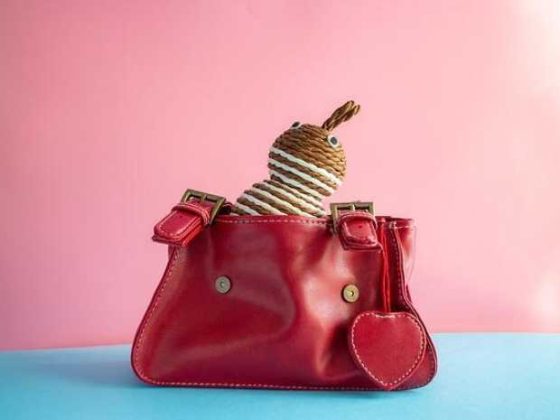
A portable bag can help group supplies for an outing. Check the actual materials and directions instead of assuming every bag is waterproof or prevents odors.
2. Choose clothing for fit and everyday care
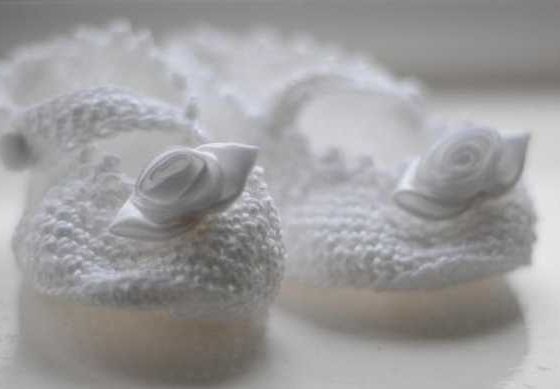
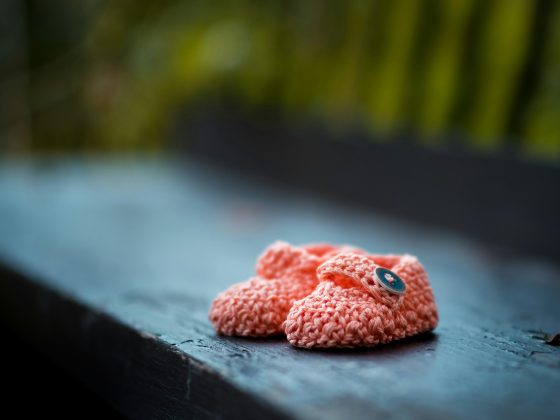
Compare the current size chart with your baby’s measurements. A label such as newborn is not a guarantee of fit, and a baby may outgrow a small size before you use every outfit.
Look at the closure, washing instructions and whether an adult can change the baby without struggling with the design. Front zippers, snaps and wide neck openings have different tradeoffs; none is automatically best for every family.
Check the actual fabric label rather than assuming an entire category is organic, hypoallergenic or suitable for every skin condition. Buy a manageable amount first and review what you use.

3. Match feeding accessories to the feeding stage
A newborn’s feeding supplies differ from a baby’s first-food utensils. Start with the current feeding method and ask for help with feeding difficulties before shopping for a supposed solution.
The CDC starting-solids guide recommends introducing foods around six months and not before four months. Readiness includes head and neck control and swallowing food rather than pushing it out. A spoon does not establish readiness.
For the solids stage, compare an appropriate utensil, cup or bib with the child’s abilities and cleaning needs. Supervise eating and prepare suitable food textures. A suction plate may be convenient, but it does not promise spill-free meals.
Check instructions for each item before putting it in a dishwasher or sterilizer. Marketing terms such as baby-safe do not replace age guidance, inspection or correct use. Our starting solids guide covers that stage in more detail.
Optional registry item: OXO Tot Silicone Spoons, 2 Pack, Blossom and Opal
The observed OXO Tot listing includes two flexible silicone feeding spoons. Compare their size and shape with the utensils you already have and your baby’s abilities. Follow the current care directions, use appropriate food textures and supervise feeding. These are optional utensils, not a guarantee of independent eating or less mess.

Check current details on Amazon
4. Put the sleep setup ahead of soothing gadgets
The AAP safe-sleep guide recommends placing babies on their backs on a firm, flat sleep surface in a crib, bassinet, portable crib or play yard that meets applicable safety standards. Use the correct mattress and a fitted sheet. Keep loose blankets, pillows and toys out.
Do not choose a hammock, nest or rocking accessory as an infant sleep solution unless it meets the applicable federal sleep-product standards. Avoid weighted blankets, sleepers and swaddles. If a baby falls asleep in a stroller, swing or carrier, move them to a suitable firm sleep surface on their back as soon as possible.
A nightlight may help an adult see during care. Sound machines and other soothing gadgets should not be described as guarantees of longer sleep or protection from sleep-related death. Keep cords away from the baby and follow product directions.
Check the full linked guidance before choosing sleep gear. Our newborn sleep guide also discusses practical care expectations.
5. Plan travel accessories around correct use
Pack for the actual outing rather than attaching a new gadget to every piece of equipment. Check stroller instructions for storage and attachments. Do not assume a car-seat caddy or aftermarket accessory is permitted just because it is advertised for travel.
The NHTSA car-seat guide recommends choosing by the child’s age and size, checking vehicle fit and following both the seat and vehicle manuals. Babies under one should always ride rear-facing. Continue rear-facing within the manufacturer’s limits as the child grows.
Installation help from a certified technician can address fit and use questions. Register the seat for safety notices. A carrier is not a substitute for a vehicle restraint, and a travel accessory should not interfere with the seat’s required use.
For overnight travel, check the sleep arrangement before leaving. Follow the portable crib or play yard’s manual and use its supplied sleep components; do not assume an extra mattress is compatible.
- Pack the feeding supplies needed for the planned trip.
- Include diapers and suitable spare clothing.
- Carry a bag for used clothing where it does not interfere with equipment.
- Check instructions and limits for the exact stroller, seat and sleep product.
6. Select play accessories for interests and abilities
A few suitable toys can give you something to explore together. You do not need a product that promises faster milestones or cognitive gains to provide attentive play.
The CPSC toy-safety guide advises following age guidance and choosing toys that match the child’s interests and abilities. Keep toys with small parts and small balls away from children younger than three, and remove packaging after opening.
Check the actual toy’s condition and instructions instead of assigning the same age range to all sensory balls or shape sorters. Keep toys separate from the infant sleep space. Ask the baby’s care team if you have developmental concerns rather than expecting a toy to resolve them.
The original article included this supplementary video. Its embed is retained; this guide is not a transcript or confirmation of its contents.
A practical baby accessories comparison checklist
| Category | Question to ask | What to avoid assuming |
|---|---|---|
| Diapering | Can the caregiver reach supplies and clean the surface? | That a warmer or pad eliminates supervision needs. |
| Clothing | Does the current size and closure suit care? | That a size name guarantees fit. |
| Feeding | Does the item match the feeding stage? | That a utensil makes the baby ready. |
| Sleep | Is the complete setup suitable and correctly used? | That soothing marketing establishes safe sleep. |
| Travel | Do the manuals permit the setup and accessories? | That every attachment fits every seat or stroller. |
| Play | Do age guidance and abilities match? | That a toy guarantees development. |
Frequently asked questions
Are all baby accessories essential?
No. Separate a needed care task from an optional convenience. Suitable supplies you already own may meet the need.
Can sleep gadgets replace a proper sleep surface?
No. Follow the AAP guidance and the sleep product’s instructions rather than treating soothing features as a substitute.
Should I buy feeding spoons before the baby is ready?
You can plan ahead, but the purchase does not determine readiness. Discuss individual feeding questions with the care team.
An optional clothing comparison for the newborn stage
Optional registry item: Simple Joys by Carter’s Baby Neutral Cotton Footed Sleep and Play, 2 Pack, Newborn
The observed Simple Joys by Carter’s listing includes two newborn-size footed sleepers with front zippers. Check current measurements, fabric and washing directions before ordering. Newborn sizing may not fit every newborn or remain useful for long, and a front zipper is not necessarily a two-way zipper. Compare with clothing already available rather than buying a large quantity on the size name alone.

Check current details on Amazon
Keep baby accessories tied to a real task, suitable fit and instructions you can follow. Build the registry around needed care first, then add conveniences only when they make sense for your family.