
Affiliate disclosure: This article contains affiliate links. If you purchase through them, we may earn a commission at no additional cost to you. As an Amazon Associate I earn from qualifying purchases.
Baby accessories can fill a registry quickly, but the useful ones support a task your family actually needs to do. Start with your sleep and transport setups, then look at changing, feeding and cleanup. You can make a practical list without treating every gadget as essential.
This guide gives you six checks for nursery gear, travel, feeding, comfort, home safety and optional tech. You will learn what to compare, what can wait and which product claims deserve a closer look. The final shopping checklist helps you turn those decisions into a smaller registry.
1. Choose nursery baby accessories around ordinary tasks
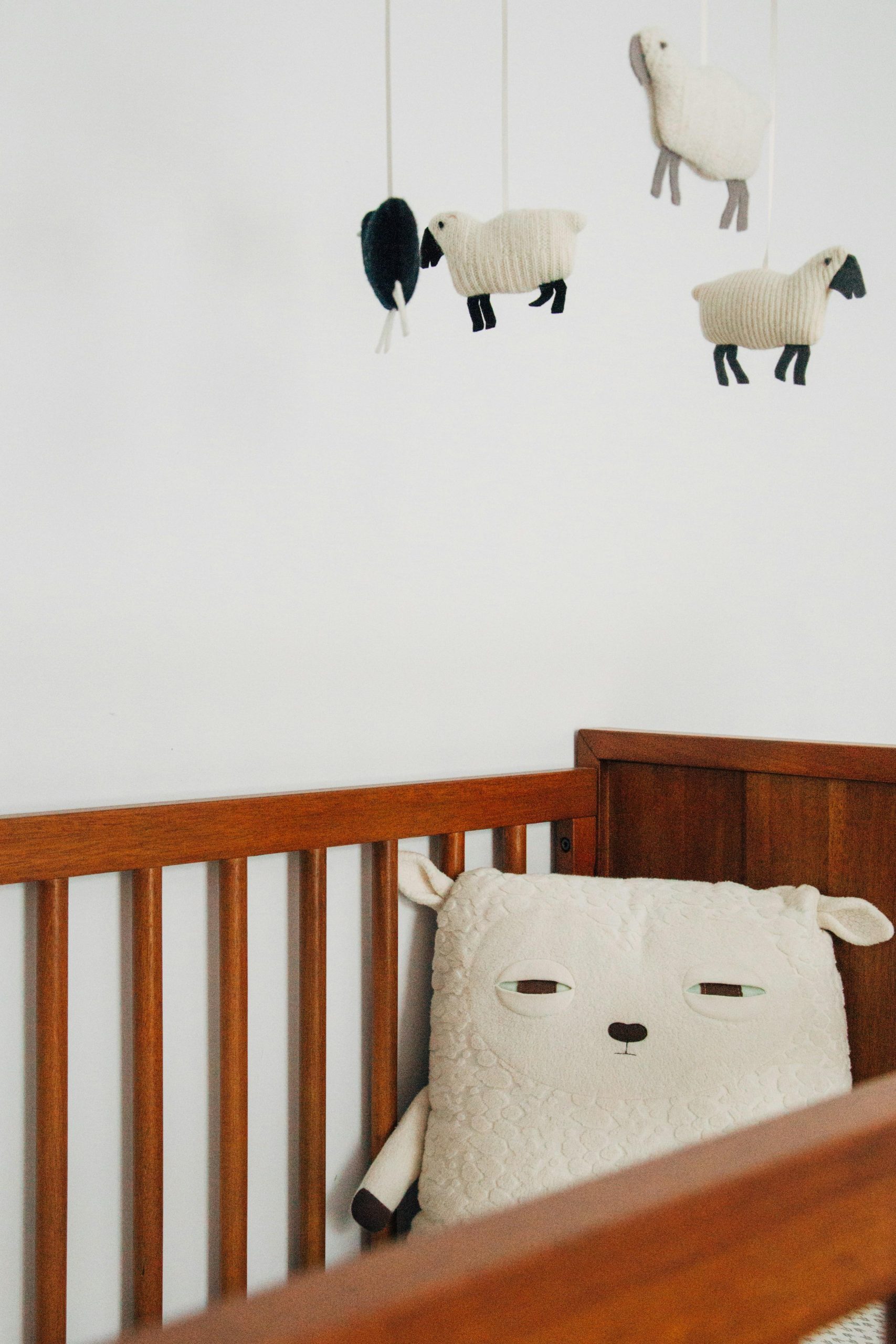
A functional nursery does not need to contain every product marketed to new parents. List the tasks you expect to do there: changing, finding clean clothing, putting supplies away and helping with feeds. Choose storage that makes those tasks easier to carry out.
A chair may be useful for an adult who finds it comfortable, and a changing pad may help organize changes. Neither turns a room into a suitable infant sleep space. CPSC guidance calls for a firm, flat surface in an appropriate crib, bassinet, play yard or bedside sleeper, with loose bedding and soft objects kept out.
Measure before buying storage or furniture. Check where items will go, whether drawers are accessible and what the product instructions require. Put manuals in one place so another caregiver can find them.
| Task | Option to consider | Check first |
|---|---|---|
| Organize clothing | Drawer dividers or simple bins | Space, access and a repeatable restocking routine |
| Change a diaper | Suitable changing pad | Surface, instructions and active supervision |
| Dispose of diapers | Ordinary bin or diaper pail | Bag compatibility and cleaning |

2. Compare travel gear with your actual journey
Start with how your family travels. For a car journey, use an appropriate car seat and follow both the seat and vehicle manuals. For a stroller, check the newborn configuration, any required adapter and which accessories are actually included.
Do not assume a stroller will fit an aircraft’s overhead compartment or that an adapter works with every infant seat. Confirm the exact dimensions, airline rules and compatibility list before planning around those features.
A small bag for used clothing and a changing kit may be practical. Pack for the trip you are taking rather than the longest outing you can imagine. Our flying with a baby guide offers related planning context.
3. Buy feeding accessories for the stage you are in
Newborn feeding supplies differ from tools used for solid foods. Review your current feeding plan before adding bowls, cups or spoons. Ask your care team for help when a purchase is being considered because feeding is difficult.
For any feeding item, compare how it comes apart, how it is cleaned and how replacements are identified. Choose a routine another caregiver can follow. Do not promise that a bottle, bowl or spoon will solve a feeding problem.
When you are preparing for complementary foods, our starting solids guide covers questions about readiness and supervised meals.
A feeding-cleanup option: Yoofoss cotton muslin cloths
This White ten-pack measures 20 by 10 inches per cloth and is listed as cotton muslin. Follow washing instructions and inspect for wear. Use for supervised cleanup or burping and keep loose cloths out of infant sleep spaces. These are a practical supply option, not a treatment for reflux or a guarantee of less spit-up.

View Yoofoss Muslin Burp Cloths, White, 10 Pack, 20 by 10 inches on Amazon
4. Keep comfort products in perspective
A comfort item should suit your baby’s age, size and developmental stage. Read its instructions and stop-use limits. A product marketed as soothing does not guarantee longer sleep or less crying.
Keep questions about persistent discomfort separate from a shopping list. Describe what is happening to your care team rather than adding several products at once and losing track of the concern. Our newborn sleep tips provide related context.
If you are comparing swaddles, sound machines or teething items, check the exact model’s guidance. Avoid treating a broad category name as proof that every version is suitable. Price and popularity do not establish medical benefit.
5. Check home safety without relying on gadgets
Look at the actual environment and the supervision it needs. Read instructions for furniture, electrical protection and alarms. A device should not be described as preventing every accident or making supervision unnecessary.
Check recalls for the exact model, especially when buying secondhand. Missing labels or instructions can make it harder to confirm how an item should be used. CPSC’s recall search is a place to begin; car seat recalls also need the appropriate transport-safety check.
Keep a record of model numbers and manuals for important equipment. It is easier to answer a recall or compatibility question when those details are available.
6. Treat optional tech as a convenience decision
Compare a connected device’s ordinary function, setup, privacy settings and what happens when the connection fails. Decide whether you want to maintain an app or whether a simpler product suits the task.
FDA warns against unauthorized infant vital-sign monitors and states that no devices, including infant monitors, have been authorized to prevent SIDS or SUID. Do not use a consumer monitor as a reason to change safe sleep practices or postpone medical advice.
A video monitor may help an adult observe from another room, but it is not a substitute for the care and supervision your baby needs. If a clinician recommends medical monitoring, discuss the exact device and instructions with that clinician.
Questions about baby accessories
Which baby accessories should I buy first?
Begin with suitable sleep and transport arrangements and the supplies your current feeding and changing routines require. Then consider optional items that solve a specific problem in your household.
Do I need a carrier?
A carrier is optional. Check fit, minimum size and position guidance if you want one. It is not a vehicle restraint or a replacement for an appropriate infant sleep surface.
How can I avoid buying too much?
Divide the list into needed now, useful later and optional. Check what you already own, whether accessories are included and how an item will be cleaned and stored.
Your baby accessories shopping checklist
For each item, name the task, confirm fit and instructions, check recalls and identify where it will be kept. If you cannot name a current use, leave it on the later list. Registry products are options to compare, not requirements to purchase every example.
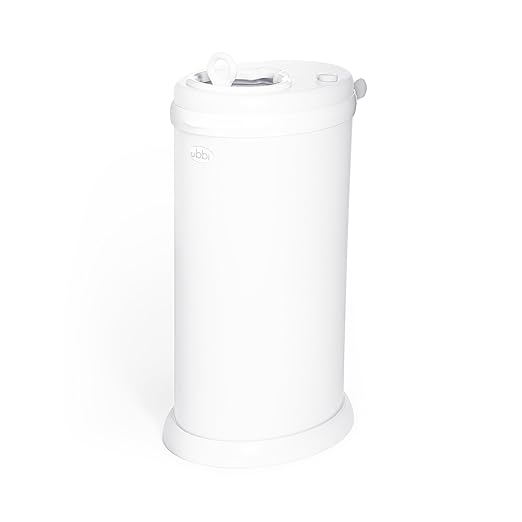
A diaper-disposal option: Ubbi steel pail
The observed White pail accepts regular trash bags. Check the current lid, child-lock and cleaning instructions, and keep it out of your child’s reach. Compare its capacity and location with an ordinary suitable disposal routine. It does not replace regular changes or treatment for a skin concern.
View Ubbi Stainless Steel Diaper Pail, White on Amazon
Safety references checked October 8, 2026: CPSC safe sleep guidance and FDA infant-monitor safety communication. This guide has not received an individual clinician review. Product details can change; recheck the listing and exact manual before purchase.