

Affiliate disclosure: This article contains affiliate links. If you purchase through them, we may earn a commission at no additional cost to you. As an Amazon Associate I earn from qualifying purchases.
Everyday life tips are useful when they solve a real problem: forgetting your lunch, losing track of leftovers or agreeing to one task too many. Advice associated with mom can be a helpful reminder, but it still needs to fit your circumstances.
Here are six lessons you can adapt today, covering reminders, the kitchen, busy moments, spending, boundaries and habits. You will get practical checklists rather than a promise of a stress-free life. The final lesson helps you choose one change small enough to keep using.
1. Turn everyday life tips into a leaving-home check
The simplest everyday life tips turn a reminder into an action, such as checking your bag. It does not require believing that anyone has a sixth sense or is always right.
Put a short list where you pack. Include the items you actually need, and update it when your plans change. Check the weather forecast rather than assuming an extra jacket solves every travel problem.
| Situation | Action to try |
|---|---|
| Lunch left behind | Add lunch to the bag check and keep perishables appropriately chilled. |
| A changing forecast | Check current conditions and choose suitable clothing. |
| Too many commitments | Review deadlines and responsibilities before saying yes. |
A phone reminder or paper note is enough. You can use advice from someone you trust while checking facts that affect health, safety or money.

2. Make kitchen organization useful and safe
Keep a short meal list and check what is already in the pantry before shopping. Label stored food so you can identify what it is and when you prepared it. A clear container may help you see contents, but it does not make food safe indefinitely.
The FDA food-storage guide recommends refrigerating perishables promptly, keeping the refrigerator at or below 40°F and checking storage directions. Perishables should not sit at room temperature for more than two hours, or one hour when the air is above 90°F.
The FDA also explains that unsafe food may not look or smell spoiled. Do not rely on a sniff test alone. Keep raw foods separate from foods ready to eat and follow cooking instructions.
- Use suitable covered containers and check the food’s storage needs.
- Keep knives and hot cookware where children cannot access them.
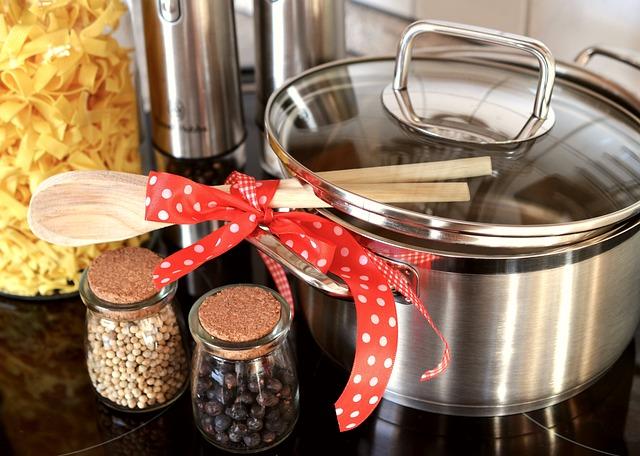
- Stay attentive to cooking instead of relying on a spoon across a pot to prevent overflow.
- Check the label’s use-by date for infant formula.
Choose kitchen changes that remove a recurring inconvenience. These everyday life tips work best when they fit the food you prepare and the space you use. There is no need to replace every container or buy a kitchen gadget for each task.
3. Choose the next manageable task during a busy moment
When several things compete for your attention, identify what needs immediate action and what can wait. A short pause may help you organize the next step, but it cannot remove every source of stress.
The NHS stress resource discusses identifying causes, focusing on what you can influence, connecting with people and making time for activities you enjoy. Use these ideas as options, not a test of whether you are coping correctly.
If you are caring for a child, arrange safe supervision before taking a break. Ask for practical help when possible. Persistent distress deserves support from a qualified professional rather than another instruction to stay positive.
| You can consider | You cannot guarantee |
|---|---|
| Asking someone to help with a task | That every person will be available |
| Allowing a realistic travel buffer | That there will be no delays |
| Clarifying a deadline | That priorities will never change |
The original page included this video, which is retained as supplementary media. These written tips are not a transcript or confirmation of the video’s contents.
4. Check spending before a nonessential purchase
Look at the cost, the need and what you already own. For everyday life tips about spending, a waiting period before a nonessential purchase can be a personal rule to try, not a guarantee that you will always save money.
The CFPB Your Money, Your Goals toolkit includes a spending tracker, bill calendar, savings plan and cash-flow budget. Choose the tool that addresses your actual question, such as what is due before the next income payment.
Compare unit prices and how much you can use before buying in bulk. A larger package is not automatically cheaper or useful when it strains storage, expires or leaves too little money for other needs.
Borrowing a book or choosing a free local activity may fit your plans. Check opening times, eligibility and transport costs. Avoid turning a general suggestion into an obligation to spend or save a particular amount.
5. Say no clearly without inventing an excuse
A brief response can communicate your capacity: you cannot take on this task today, or you need to check your schedule before answering. You do not have to offer an alternative you cannot provide.
Consider the responsibilities and relationships involved. Declining an optional invitation is different from arranging essential care or resolving a work commitment. Clarify those obligations instead of using a single phrase for every situation.
- State whether you can commit.
- Give a realistic answer rather than an automatic yes.
- Offer another time only if it works.
- Ask for clarification when the request is unclear.
For a family planning example, our toddler morning routine guide shows how to make tasks manageable while keeping needed care supervised.
6. Choose one small habit and review it
Make the habit specific enough to recognize. You might put keys in the same place, write tomorrow’s first task or clear one work surface when it is practical.
Connect everyday life tips to a cue that already happens, then notice whether the change helps. Missing a day does not require starting a whole new system. Adapt the habit when circumstances make it unsuitable.
Drinking water can be an ordinary part of your day; it should not be described as a guaranteed metabolism boost or a treatment for fatigue. Making a bed can organize a room without promising improved mental health.
| Habit | Possible cue | What to review |
|---|---|---|
| Put keys in one place | Arriving home | Whether the place is convenient and secure |
| Write the next task | Finishing work | Whether the task is realistic |
| Check the errands bag | Before leaving | Whether the items suit today’s plans |
Frequently asked questions about everyday life tips
Do I need to follow every piece of advice from family?
No. Consider whether it fits the situation and verify important facts. You can appreciate a reminder without treating it as a rule for everyone.
Which habit should I start with?
Choose a recurring inconvenience and one manageable action. Review whether it helps before adding another task.
Do these tips require buying anything?
Most can use supplies you already have. A new purchase should meet an actual need and fit your budget.
An optional adult bottle for an errands bag
Contigo AUTOSEAL Cortland Water Bottle, Monaco, 24 oz
The observed Contigo listing describes a 24-ounce adult water bottle with an AUTOSEAL lid, a wide opening and top-rack dishwasher cleaning. Compare current directions and capacity with a bottle you already own. This is an adult convenience item, not an infant feeding bottle or a treatment for low energy. Skip the purchase if your existing bottle works.

Check current details on Amazon
Use everyday life tips to make one part of the day easier to manage. Check the facts, choose what fits and keep the change small enough to review without turning it into another pressure.