Merino wool may catch your attention when you are comparing baby clothing, but a fabric name alone cannot tell you whether a particular garment suits your child.
This page introduces the retailer feature behind the original article, then gives you five checks for comparing clothing: intended use, fit, skin comfort, sleep layers and care instructions. The final checklist helps turn appealing product wording into questions you can ask before buying.
The merino wool retailer feature behind this page
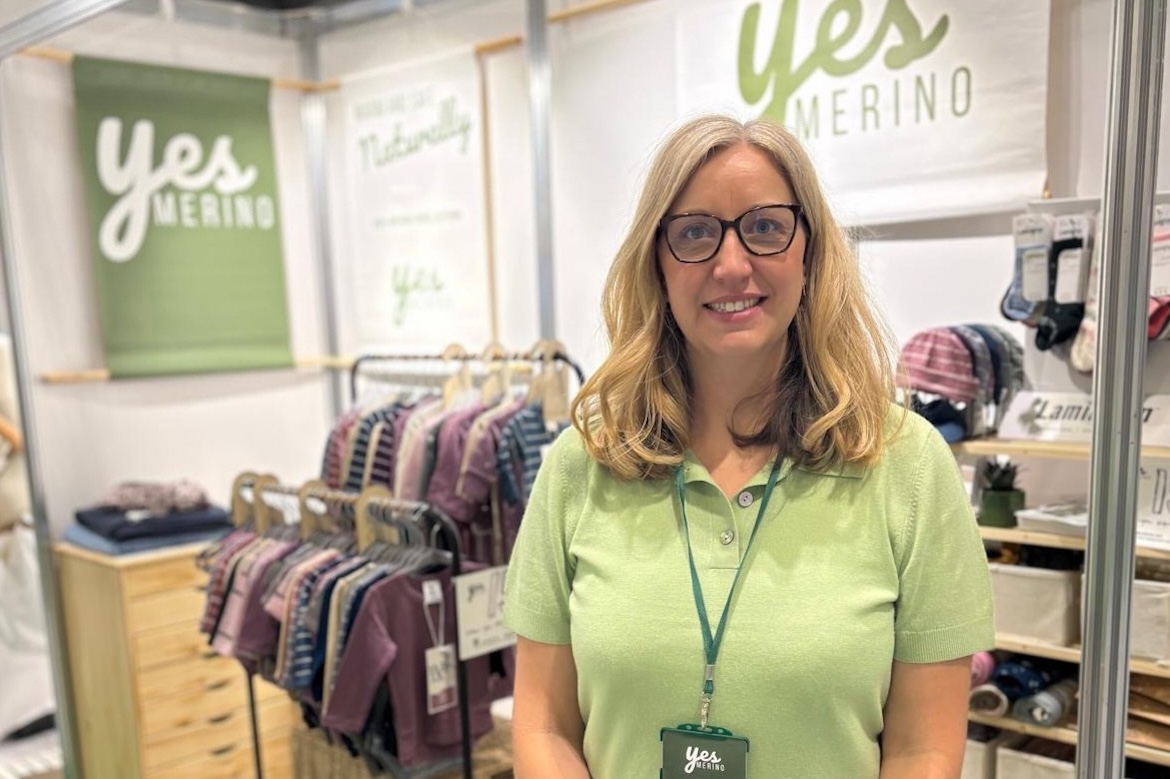
The original material came from The Natural Parent Magazine’s feature on yes merino, dated 16 September 2026. It introduces Julia Dallison, a New Zealand mother and textile scientist who founded the UK retailer in 2025.
The feature presents merino, wool from Merino sheep, as an option for family clothing. It discusses the retailer’s perspective on softness, warmth, washing and passing clothing between children. Read the original for the full interview and brand story. This page adds independent buying questions rather than presenting that commercial perspective as a medical recommendation or our own product test.
The feature links to yes merino and the retailer’s Instagram account. Check those sources for current stock and services; a dated feature cannot confirm availability or an upcoming appearance.
1. Match the garment to its intended use
Begin with the task: an everyday layer, socks, outdoor clothing or a sleep garment. These uses have different requirements. Do not assume a garment is suitable for sleeping because another item made from the same fibre is sold for that purpose.
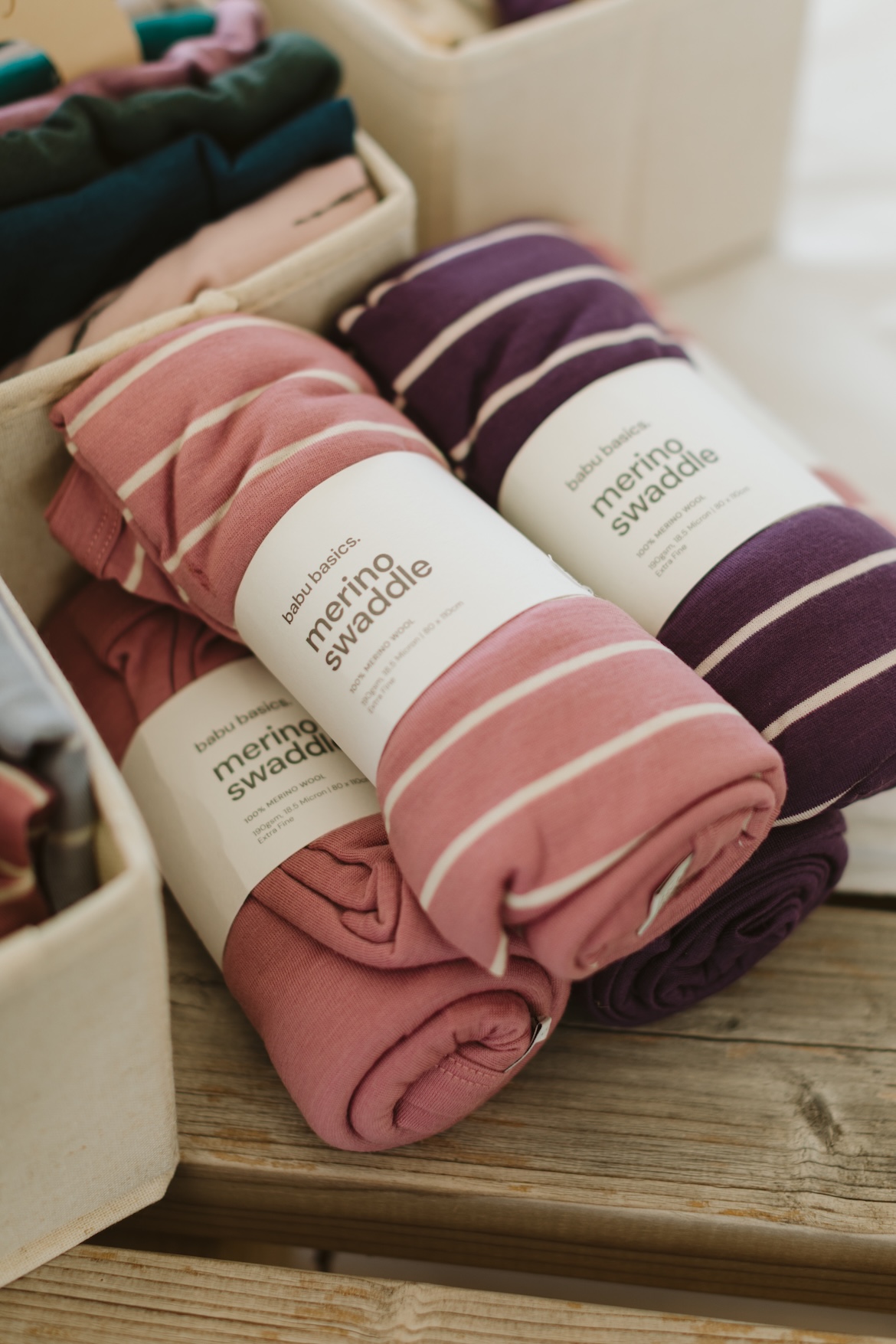
Read the exact fibre composition, size chart and intended-use information. Check whether the item is a blend and what else is in it. A brand name or photograph does not establish the composition of every garment in a collection.
Compare with clothing you already own. If it serves the same task comfortably and can be cared for as directed, replacing it may not be necessary. Buying a new fabric is a choice, not a requirement for being prepared.
2. Check fit, seams and everyday handling
Look at the measurements rather than assuming an age label guarantees fit. Check openings, fastenings and how the item can be put on and removed. Consider whether a caregiver can manage it during an ordinary change.
Examine seams, labels, loose threads and damage. For an item passed between children, reassess its condition and size instead of assuming durability claims prove it is still suitable.
Keep a simple comparison note: size needed, composition, care method and return policy. That is more useful than relying on a general statement that a fabric feels soft. Actual garments can differ in construction, thickness and condition.
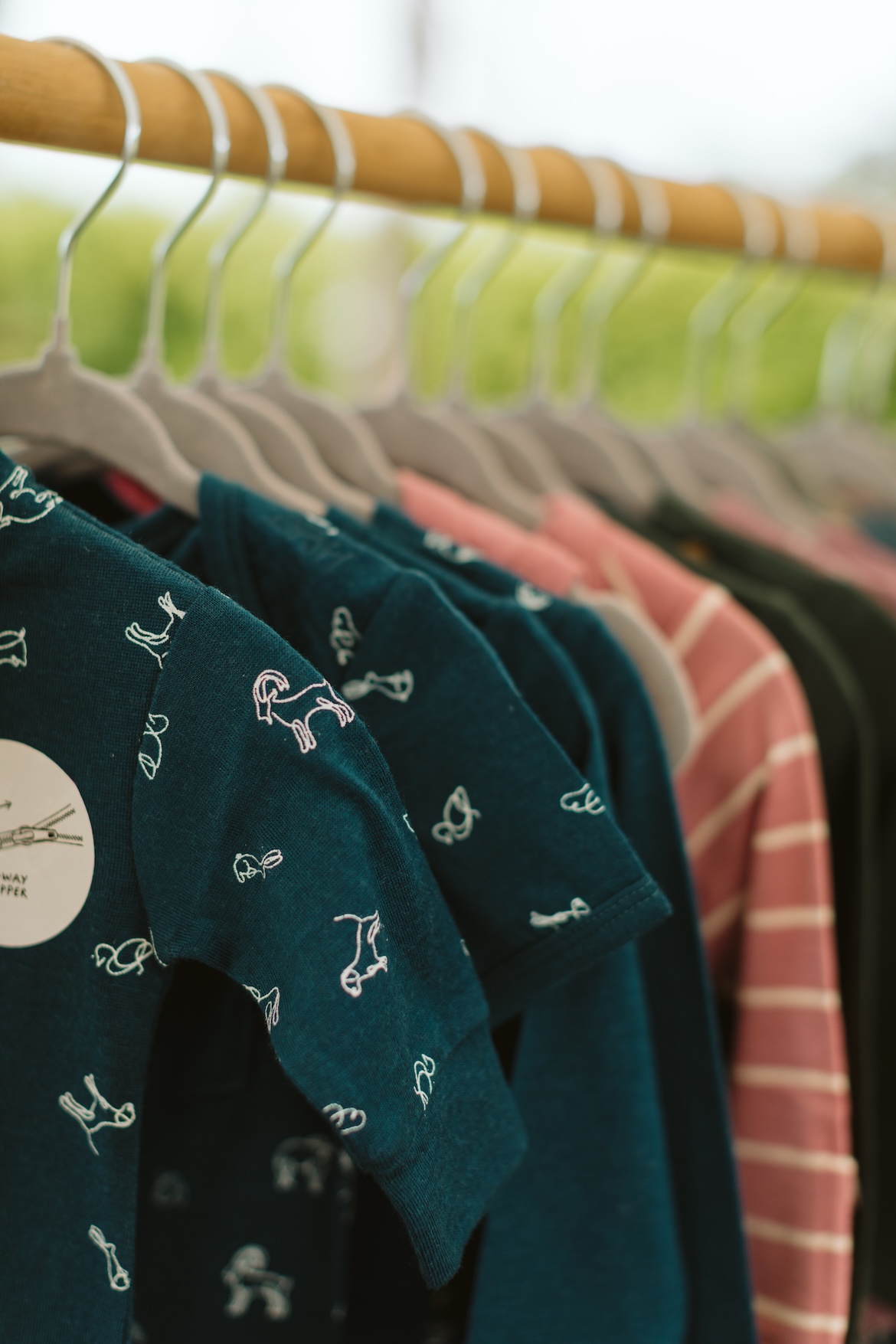
3. Treat skin comfort as an individual question
A soft-feeling fabric is not a guarantee that every child will tolerate it. Avoid treating merino clothing as a cure for eczema or assuming a claim about one studied fabric applies to every garment.
Leeds Teaching Hospitals’ eczema guide advises trying cotton clothing and notes that wool can increase itching. It also explains that everyday products, even those labelled hypoallergenic, can sometimes trigger contact allergy.
If your child has eczema, follow their clinician’s care plan and ask about clothing that irritates the skin. A retailer interview should not lead you to stop treatment or continue using a garment that seems uncomfortable.
Notice the whole item, not just its fibre name: seams, labels, fit, detergent and dampness may be relevant questions to discuss. Do not diagnose the cause of a rash from a clothing description.
4. Keep sleep clothing within safer-sleep guidance
Fabric marketing does not replace a suitable sleep setup. The Kingston and Richmond NHS safer-sleep guide recommends monitoring room temperature and checking the baby’s chest or the back of the neck for overheating. It describes 16 to 20 degrees Celsius as the recommended room range and advises removing layers when the baby is hot or sweaty.
Use the exact sleep garment’s instructions for size, clothing combinations and room conditions. Do not assume the word merino means an item automatically maintains the right temperature. A warm layer still needs appropriate use.
Ask your midwife or health visitor if you are unsure how the baby’s individual needs affect clothing choices. Our newborn sleep guide is another starting point for discussing the sleep setup.
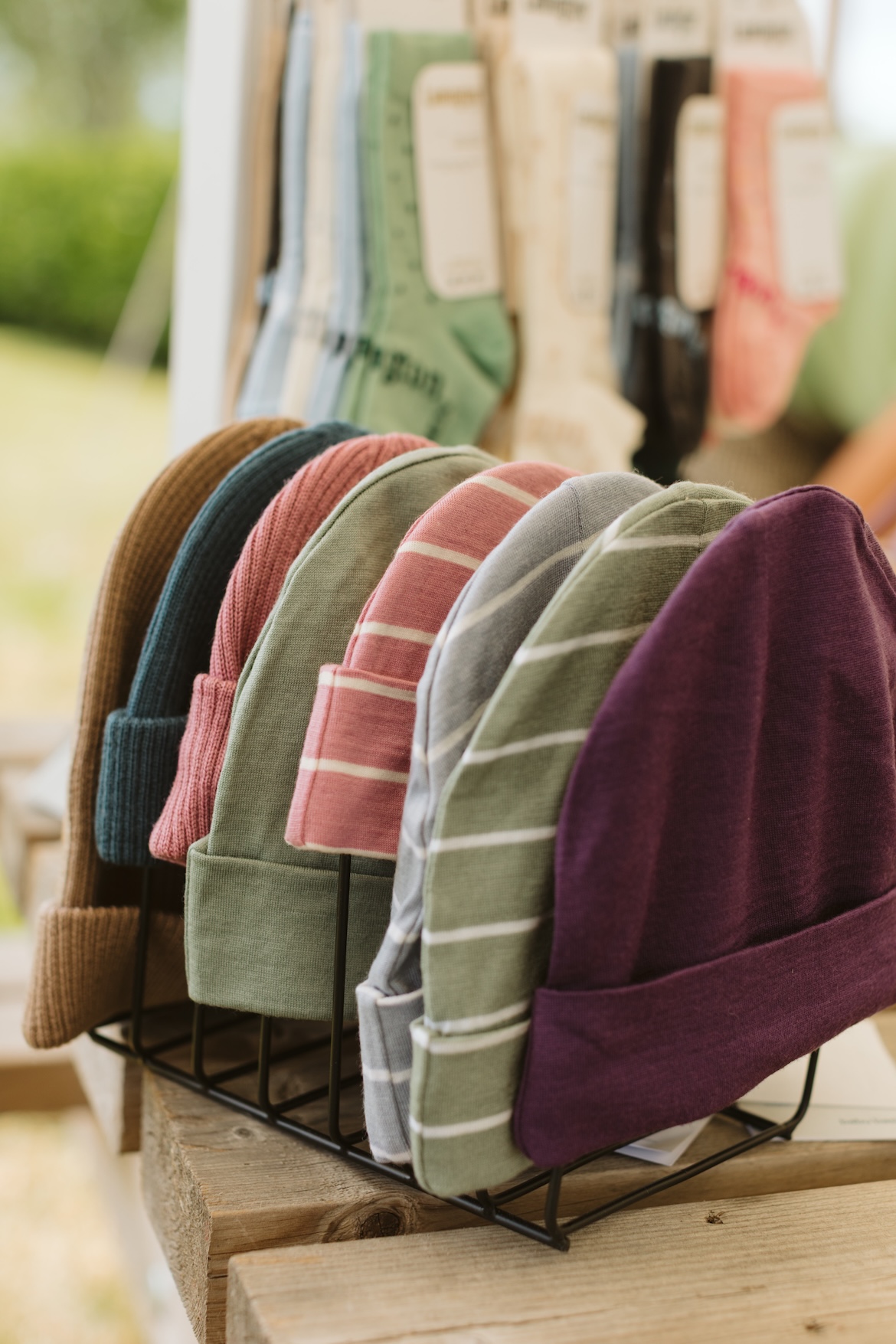
5. Read the care label and verify specific claims
Do not assume that every merino item is machine washable. Follow the particular label for washing, detergent, drying and storage. A wool cycle on a machine is not permission to ignore the garment’s instructions.
Choose a care routine your household can actually follow. If an item needs a method you cannot manage, ask about a suitable alternative. Follow hygiene needs and the care label rather than promising a fixed number of wears between washes.
Claims such as natural, certified, durable or biodegradable need context. Ask which exact item a certification covers, what evidence supports a performance claim and which conditions apply. Do not transfer a certificate from one brand or product to an entire retailer’s stock.
| Question | Evidence to check |
|---|---|
| What is it made from? | Exact garment composition label |
| Will it fit now? | Measurements and product sizing instructions |
| How is it intended to be used? | Specific item description and warnings |
| How do I care for it? | Washing and drying label |
| What does a certification cover? | Named certification and its scope for this item |
| Can I return it? | Current seller policy and applicable conditions |
For a broader list of care supplies, see our baby accessories checklist. Keep fabric comparisons tied to a real care task rather than adding items because they sound impressive.
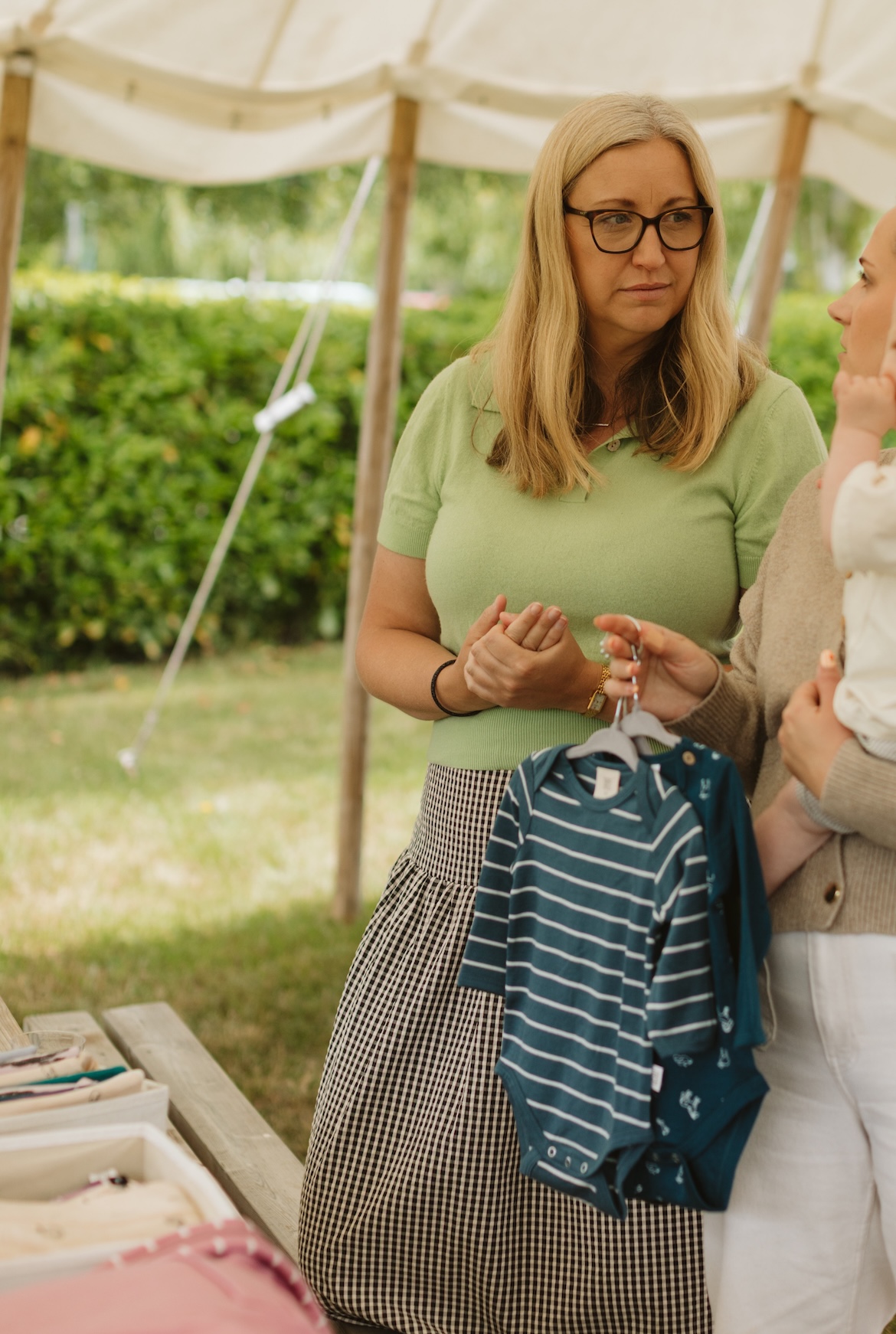
Frequently asked questions about merino wool clothing
Is merino wool automatically the best choice for every baby?
No. Compare the actual garment, intended use, fit, care requirements and your child’s comfort. A fabric name does not settle all those questions.
Does merino wool treat eczema?
Do not treat a clothing purchase as eczema treatment. Ask the child’s clinician about irritation and continue the recommended care plan.
Can all merino garments go in the washing machine?
Check the individual care label. Follow its instructions rather than general advice about the fibre.
Does merino prevent a baby from overheating?
Do not rely on that claim. Use appropriate layers, check the baby and follow sleep clothing and safer-sleep guidance.
Where did the original retailer story come from?
The linked Natural Parent Magazine feature introduces yes merino and Julia Dallison. Its original photography is credited to Rosie Goulding Photography.
Use merino wool as one option to compare. The useful decision is whether a specific garment suits your child’s needs and your household’s care routine.