
Affiliate disclosure: This article contains affiliate links. If you purchase through them, we may earn a commission at no additional cost to you. As an Amazon Associate I earn from qualifying purchases.
First trimester pregnancy tips are most useful when they make today’s decisions easier. You might be excited, tired, queasy or unsure what to ask first. Start with a small plan rather than expecting yourself to feel confident about everything at once.
Here are six steps for symptoms, meals, prenatal appointments, rest, sharing the news and practical support. You will also find a short action checklist and two optional products to compare. The last step helps you ask for support before a difficult day becomes overwhelming.
Know when a tip is not enough. Seek medical care immediately for urgent warning signs such as severe persistent abdominal pain, chest pain, trouble breathing, fainting, significant bleeding or severe vomiting that prevents keeping fluids down. The CDC’s maternal warning-sign guide explains these concerns. Tell the clinician you are pregnant. Do not wait for your first scheduled appointment if something feels seriously wrong.

1. First trimester pregnancy tips for changing symptoms
You do not need a visible bump for early pregnancy to feel demanding. People experience different symptoms and levels of discomfort. Keep a brief note of changes, when they began and what you want to ask your care team.
Morning sickness can happen at any time of day. The NHS nausea and vomiting guide suggests measures such as avoiding triggering smells, trying small plain meals and sipping fluids little and often. These approaches help some people, but none is a guaranteed fix.
Ask for help when symptoms interfere with eating, drinking or daily life. Dark urine, dizziness, weight loss or ongoing vomiting deserve a conversation with your clinician. Severe illness may need treatment; you are not expected to manage it by trying more crackers. Discuss medicines and supplements before taking them.
2. Keep meals manageable and food advice specific
Choose foods you can tolerate while working toward a varied diet. If the smell of a hot meal is difficult, a simpler option may be more manageable. Avoid treating a difficult meal as a personal failure. Ask your care team for help if your intake is becoming restricted.
Food safety depends on the food and how it is prepared. A blanket ban on all soft cheese or all sushi misses important distinctions. The NHS food guide, for example, distinguishes cooked seafood and certain pasteurized cheeses from foods that need avoiding or thorough cooking.
Use the recommendations applicable to your country and ask about foods you regularly eat. Check storage and preparation instructions. You do not need to invent a food rule from a craving, and an unfamiliar ingredient is a good reason to check rather than guess.
3. Arrange prenatal care and review supplement labels
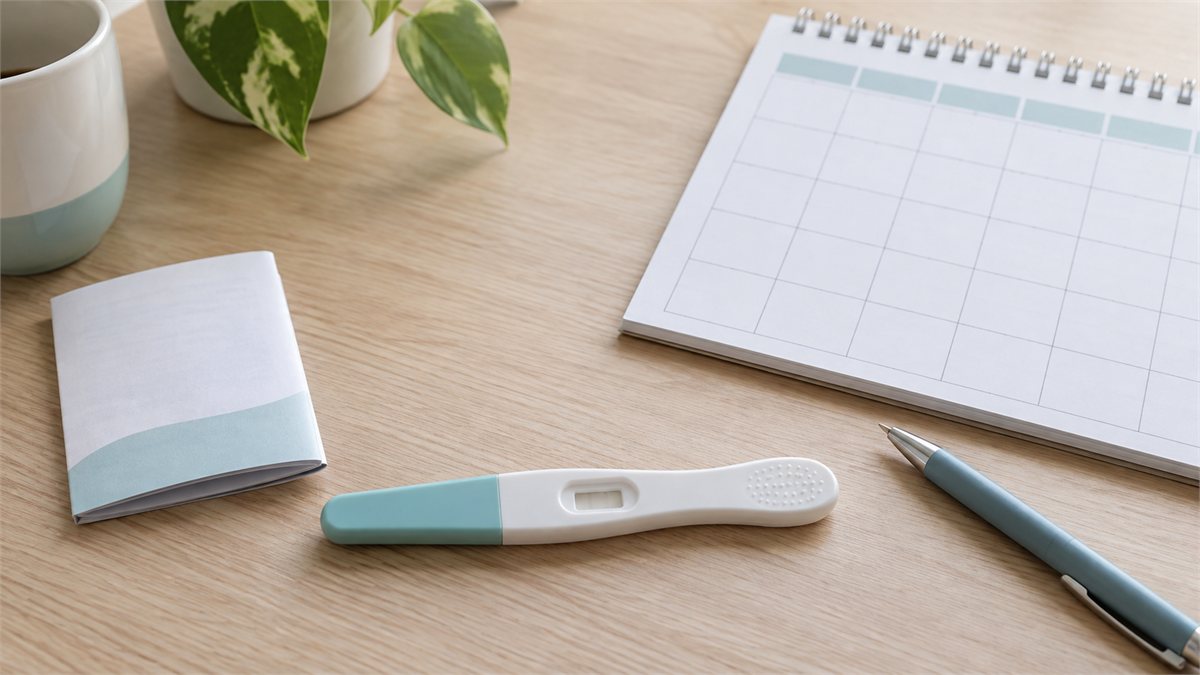
Contact a pregnancy-care provider after a positive test to ask how to start care. The timing and contents of your first visit depend on your circumstances and local service. Do not assume every appointment includes an ultrasound or that one advertised week is the right time for everyone.
Bring your medicines, supplements and key health history. Write down questions about symptoms, diet, activity and when to call. Keep the contact details where you can find them when you are tired.
The NHS supplement guide explains folic acid, vitamin D and situations needing individualized advice. It reflects UK recommendations; your clinician should help you apply the guidance appropriate to you. Review overlapping ingredients rather than combining several products automatically.
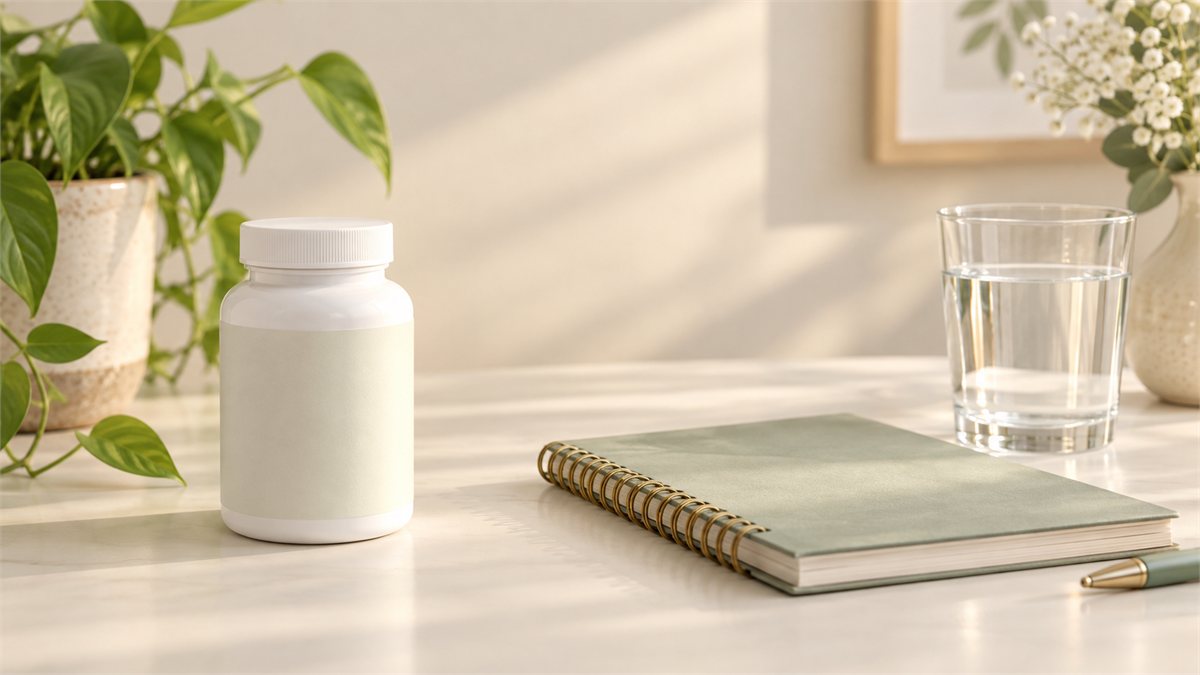
Nature Made Prenatal Vitamins with Folic Acid + DHA, 110 Softgels
This Nature Made prenatal listing describes a 110-softgel bottle with folic acid and 200 mg DHA, with one daily softgel on the listing. Use it as a label-comparison option to discuss with your clinician, not a personal supplement prescription. Check the current Supplement Facts, allergens, other medicines and overlapping supplements. The label does not establish that this formula meets every pregnant person’s needs or treats nausea.

Check current details on Amazon
4. Plan rest and movement around your situation
Choose a rest opportunity you can realistically protect. You might adjust chores, prepare a simpler meal or ask someone else to manage an errand. Fatigue is not a reason to criticize yourself, but a worrying or sudden change should be discussed with your clinician.
The NHS exercise guidance recommends starting new activity gently and stopping if you feel unwell, uncomfortable or too hot. Ask about restrictions that apply to your health, and tell an instructor that you are pregnant. You do not have to begin an ambitious routine to make a useful change.
A quiet activity, journaling or a conversation can make space for your feelings. Persistent anxiety or depression deserves support from your care team. The NHS mental-health guide describes available help. Do not stop prescribed treatment without discussing it with the prescriber.

Sharing pregnancy news is a personal decision. You may want a trusted person to know early for support, or you may prefer privacy. You do not need an elaborate announcement or a fixed date that works for everyone.
Think separately about family, friends and practical conversations at work. A private request for an adjustment is different from a public announcement. Ask for relevant advice about your workplace needs rather than relying on another person’s timeline.
It is reasonable to set boundaries around questions and advice. You can say that you are discussing medical decisions with your care team and will share more when ready.
6. Turn offers of help into one clear task
If a partner, relative or friend offers support, choose a task they can carry out: buy the food you currently tolerate, drive to an appointment, handle laundry or listen while you organize questions. Support does not need to look identical in every household.
| Situation | Practical next step |
|---|---|
| Queasy mornings | Prepare a tolerated snack and discuss troublesome symptoms |
| Appointment coming up | Write questions and gather medication information |
| Low energy | Assign one chore or errand to someone else |
| Too much advice | Choose a boundary and a trusted source |
| Unsure about symptoms | Call the care team rather than guessing |
For broader preparation, read our Pregnancy 101 guide. If work is the challenge, our pregnancy tips for desk jobs offer another starting point.
Frequently asked questions
Does morning sickness happen only in the morning?
No. It can happen during the day or night. Ask for help if it is affecting your ability to eat, drink or function, and seek immediate care for urgent symptoms rather than waiting for a home remedy to work.
Should I wait until week eight to arrange care?
Contact a provider to learn the appropriate next steps for you. Appointment timing varies. Urgent concerns need prompt assessment regardless of a routine booking date.
Do I need to announce the pregnancy before getting support?
No public announcement is required to ask a trusted person or professional for help. Decide what you are comfortable sharing and make the support request as specific as possible.
An optional way to keep adult drinks nearby
Contigo AUTOSEAL Cortland Water Bottle, Monaco, 24 oz
The Contigo AUTOSEAL Cortland listing is a 24 oz adult water bottle with a wide opening and a top-rack dishwasher-safe design. Compare the current care instructions and size with your routine. A refillable bottle can make drinks convenient; it does not treat nausea or dehydration. Follow individualized fluid advice, and seek care if you cannot keep fluids down. This is not an infant feeding bottle.

Check current details on Amazon
Choose one first trimester pregnancy tip for today: arrange care, write a question or ask for a specific task. Small preparations can make the next day easier without asking you to solve every part of pregnancy at once.