

Affiliate disclosure: This article contains affiliate links. If you purchase through them, we may earn a commission at no additional cost to you. As an Amazon Associate I earn from qualifying purchases.
Baby car safety questions can feel urgent when a short video tells you that an everyday choice puts your family at risk. Before changing your routine, separate the claim from the evidence and focus on actions you can verify.
This guide keeps the original safety PSA and adds five practical checks: car-seat fit, parked-car habits, vehicle security, privacy choices and a caregiver plan. The final check helps everyone who drives your child use the same routine.
If you see a child alone in a locked car, act immediately and call 911 in the United States. The NHTSA heatstroke prevention guide explains the urgency. Use your local emergency number outside the United States.
The original safety PSA

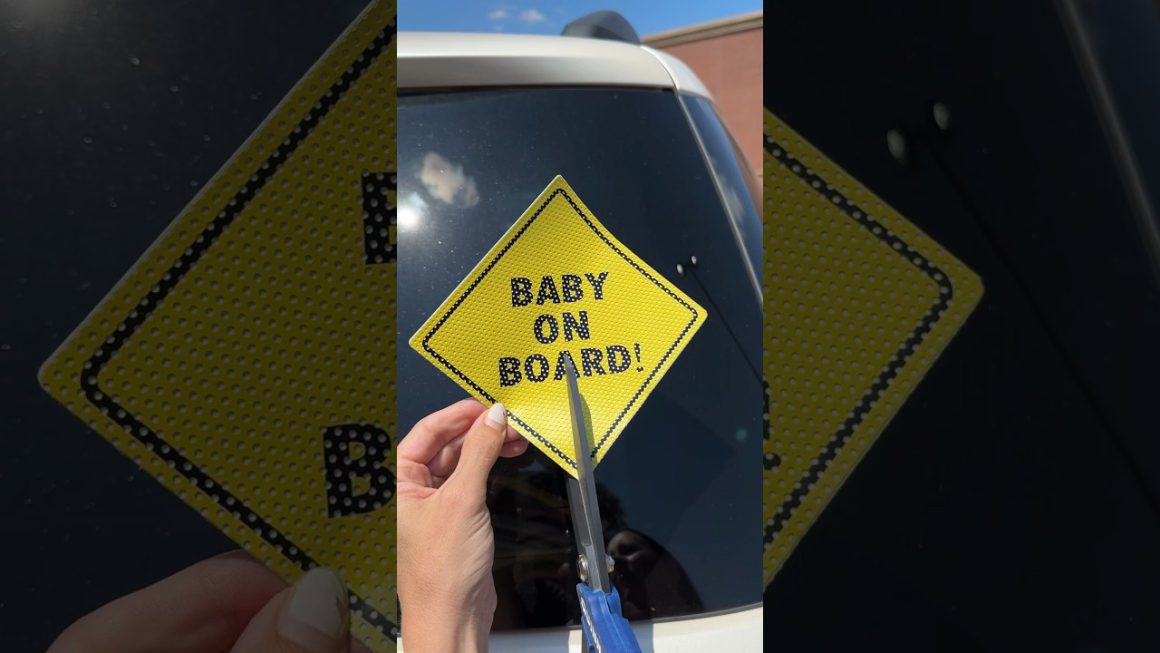
Watch the original video on YouTube. The source page identifies The Elkins Family as the creator and displays a 59-second clip with no written description. Its opening raises a concern about a Baby on Board sticker.
A warning in a clip is not evidence of how often an event happens or what causes it. This page does not establish that a sticker increases abduction risk, and the guidance below is an independent companion rather than a transcript or endorsement of every claim in the video.
1. Put baby car safety and seat fit first
The NHTSA car-seat guide recommends choosing a seat for the child’s age and size, checking vehicle fit and following both manuals. Babies under one should always ride rear-facing; continue rear-facing within the manufacturer’s limits as they grow.
Confirm installation and harness use for the exact seat. Check the permitted limits rather than assuming an infant-seat label fits every baby. Register the seat for recall notices and seek installation help from a certified technician when needed.
An accessory is not automatically compatible because it is sold alongside a seat. Verify any permitted stroller adapter or attachment in the relevant instructions before using it.
Car seat to compare: Graco SnugRide SnugFit Infant Car Seat, Gotham
The observed Graco SnugRide SnugFit Gotham listing gives a rear-facing range of 4 to 30 pounds and up to 32 inches. Check all manual limits, including head clearance, and confirm vehicle fit, manufacture date, expiration and recalls. This is a listing comparison, not a hands-on test or a claim that the seat is the best choice for every family. If you already have a suitable seat, this is not a reason to replace it.

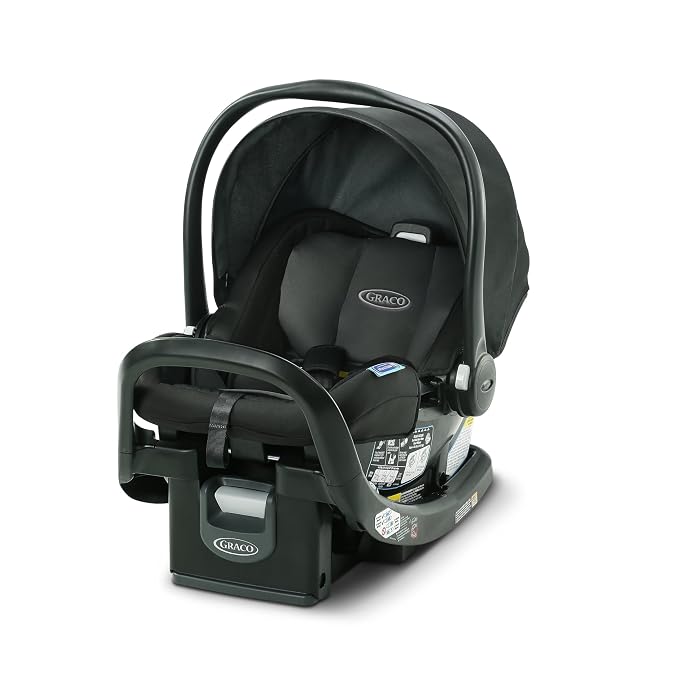
Check current details on Amazon
2. Check the whole vehicle before walking away
NHTSA advises never leaving a child unattended in a vehicle, even briefly. Shade and open windows do not make that safe. Check the entire vehicle, especially the back seat, before locking it and leaving.
The heatstroke guide also recommends asking childcare providers to contact you if your child does not arrive as expected. Keep keys and fobs out of children’s reach and lock the car when it is not in use.
Make the check an action you perform, not just a reminder you intend to notice. A sticker, phone alert or other cue should not become a reason to skip checking the vehicle yourself.
3. Use practical vehicle-security habits
The NHTSA vehicle-theft guide advises taking your keys, closing and locking doors and windows when parked, choosing well-lit areas when possible and avoiding visible valuables in the vehicle.
Those recommendations address vehicle theft. They do not establish the video’s claim about a particular sticker. Keep the purpose of each piece of guidance clear rather than combining separate risks into one alarming message.
Before an outing, decide where you will park and what you need to carry. Keep essential supplies manageable so checking the child and the vehicle remains part of leaving, even when the day feels busy.
4. Make privacy choices without a fear-based rule
You can choose how much family information to display on your car or share online. That preference does not require claiming that a decal causes a particular crime.
For an online photo of a family outing, consider whether the image or caption reveals names, an address, a school or a current location. You can keep a memory private or remove details you do not want to share.
If you add vehicle decorations, follow applicable visibility rules and vehicle instructions. This article does not provide a legal ruling about decals in your location.
Our family memory prompts include ways to record experiences without sharing every detail publicly.
5. Agree on a caregiver plan before the next trip
Make a short plan that each driver can follow. Write down the seat’s model, where to find the manuals and who to contact about installation questions. Include the routine for checking the vehicle and confirming arrival.
- Review the child’s current seat limits.
- Confirm installation using both manuals.
- Check the entire vehicle before leaving.
- Agree who confirms the child’s arrival.
- Keep keys away from children when the car is parked.
A plan should be easy to use, including when another caregiver handles the trip. Discuss changes in advance rather than assuming everyone knows the same routine.
For the rest of the outing, our baby accessories guide offers questions for comparing supplies by task. Buying more equipment does not replace a clear care plan.
Frequently asked questions
Does a Baby on Board sticker make my child a target?
This page does not establish that claim. The clip raises the concern, but a short warning is not proof of a causal link. You can make a privacy choice without treating an unverified statement as a fact.
Can I leave a sleeping child in the car for a quick errand?
No. NHTSA advises never leaving a child unattended in a vehicle for any length of time. Use the linked heatstroke guidance and make checking the vehicle part of every arrival.
Do I need the car seat shown here?
No. It is one example to compare. Choose according to your child’s age and size, the manuals, vehicle fit and current product information.
Who can help with installation?
The NHTSA car-seat guide links to inspection services and certified technicians. Use that resource for help checking your exact setup.
Before the next trip, choose one baby car safety action to review with your caregivers. A verified routine is more useful than a warning that leaves you worried without a practical next step.