

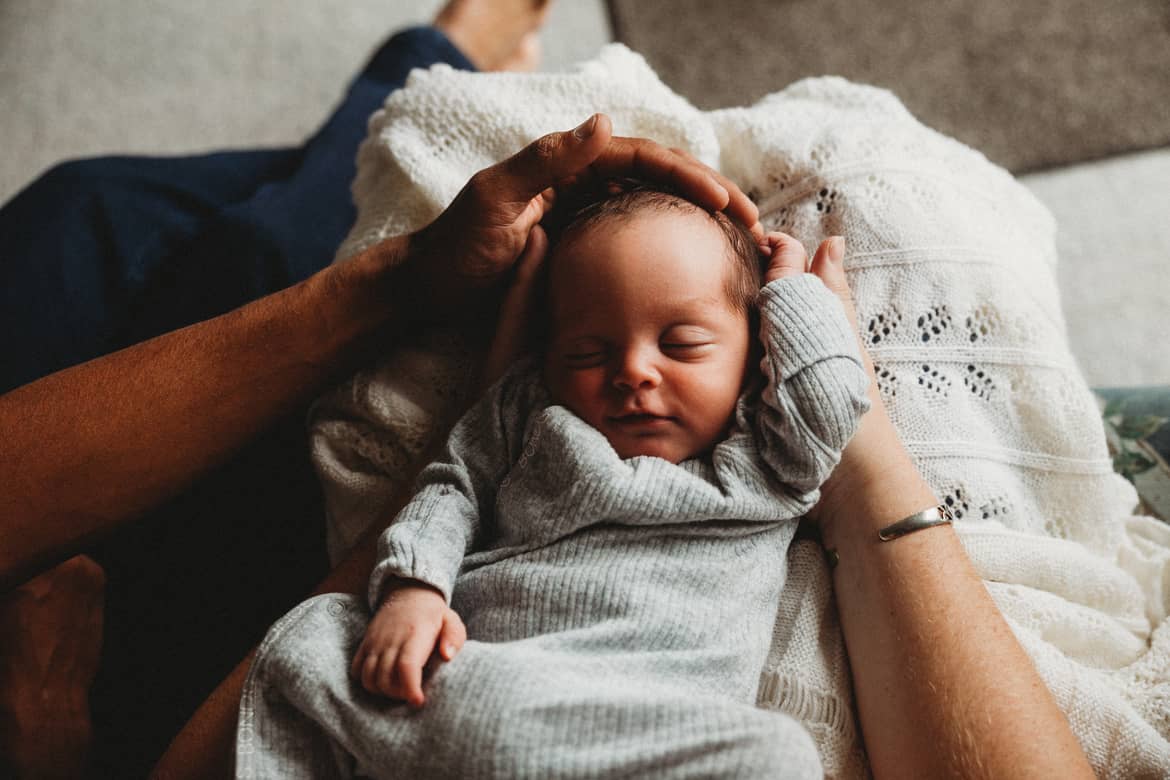
Moments to remember do not always look like milestones. They can be the small parts of an ordinary day that you would like to revisit later, even when you have no polished photograph of them.
Start with a parenting poem, then use five simple prompts to record your own family memories. You will get a brief note format, ideas beyond photographs and a final permission to leave some moments undocumented.
About Moments to Remember by Hayley Zemontas
Read Moments to Remember at The Natural Parent Magazine. Published September 10, 2026, the poem by Hayley Zemontas reflects on wanting to hold onto the details of early parenthood. The publication identifies the author as a first-time mother of twin girls.
Visit the original page to read the poem in the author’s own words. The memory prompts below are original iBabyMama companion ideas, rather than a reproduction or continuation of her poem.
1. Choose one ordinary moment to record
Pick something that happened today rather than trying to describe an entire week. It might be the book you read together, an outing that went differently than planned or a familiar game you both enjoyed.
Write what happened in your own words. A short, specific note can be easier to return to than a broad statement about how quickly time is passing.
You do not need a special journal. A notebook or an existing notes app can work if it is a place you will actually find again. Choose a format that fits the time and energy available.
2. Add a date and a little context
A date makes a memory easier to place later. Add a location or the people who were there if those details matter to you. Approximate information is fine when you cannot remember the exact day.
A simple format keeps the task small:
- Date or approximate week.
- What happened, in one or two sentences.
- One detail you want to keep.
- An optional photograph or voice note.
For example, you might note which song your family kept singing during a rainy afternoon. This is a prompt for your own entry, not a story about a particular family’s experience.
3. Save words and sounds as well as photos
Not every memory needs an image. You might record the title of a favorite book, a phrase someone said or a few words about the routine that filled your days.
If you choose a voice note, keep it brief enough that making it does not interrupt the moment you hoped to capture. A written description is an equally valid option when recording feels inconvenient.
Photos can support a memory, but they do not have to provide the whole account. A caption that explains the context may be more useful to you later than another nearly identical picture.
4. Decide what stays private
Keeping moments to remember does not require sharing them online. You can make a private family collection and choose separately what, if anything, to share with others.
Before posting, consider who can see the image and whether you want identifying details attached to it. Avoid adding location or personal information simply because a caption template asks for it.
Ask other adults before sharing their words or pictures. As children grow, make space for their preferences about what is recorded and shared.
For practical care routines alongside these reflections, see our newborn routine guide and everyday parenting tips.
5. Let some moments stay undocumented
A memory project should not become another standard you have to meet. You can skip days, leave a page unfinished or return to the idea when it feels useful.
You may want to record happy experiences, difficult days or a mixture of both. There is no requirement to make the record cheerful or complete.
The final prompt is simple: ask whether making a note adds something to your day. If it does, write a few words. If it does not, put the notebook or phone aside. Enjoying a moment without documenting it is still an option.
Frequently asked questions
Where can I read the original Moments to Remember poem?
The original poem by Hayley Zemontas is available through the source link above at The Natural Parent Magazine. These companion prompts are separate from the author’s work.
How often should I write baby memory notes?
Choose a pace that suits you. There is no required schedule. An occasional note can be enough, and you can stop whenever the task feels burdensome.
What if I do not have a photo?
Write the context in a sentence or two. A date, the people present and one detail you want to keep can make a useful entry without a photograph.
Do I need to buy a baby memory book?
No. An existing notebook or private digital note can work. A dedicated book is an optional preference rather than a necessary purchase.
To begin, choose one small experience from today and record just enough to recognize it later. Leave the rest of your moments to remember open to your family’s own pace.