

Affiliate disclosure: This article contains affiliate links. If you purchase through them, we may earn a commission at no additional cost to you. As an Amazon Associate I earn from qualifying purchases.
Eco-friendly baby diapers can be surprisingly hard to compare. A green package, a bamboo ingredient and a compostable claim may describe different benefits. The useful starting point is simple: choose a diaper that fits your baby, then check exactly what the environmental claim covers.
In this guide, you will learn five practical checks for materials, disposal, fit, cost and washing. You will also find a manageable changing-station setup and a short buying checklist. By the end, you can compare two options without relying on a vague promise or buying a large supply before trying them.
Eco-friendly baby diapers: five checks before you buy
There is no single diaper that suits every household. Availability, laundry access, your baby’s skin and the way waste is handled locally all affect the decision. A hybrid routine, such as cloth at home and disposables while traveling, can also be worth considering.
This guide compares decision criteria rather than presenting a hands-on product ranking. It does not claim that one brand has been personally tested or that a particular diaper prevents rashes. Treat manufacturer descriptions as claims to examine, especially when they imply a broad environmental benefit.
1. Check what the material claim actually covers
Look for specific information about the absorbent core, liner, outer layer and packaging. A plant-derived ingredient in one component does not tell you how the entire diaper performs or what happens after disposal. Ask whether a percentage refers to the product as a whole or only one part.
Compare current packages of eco-friendly baby diapers rather than old reviews. Formulas, materials and sizes can change. If a certification is shown, check its scope and the organization behind it. Keep a short note of the claim, the component it covers and the evidence the manufacturer provides.
2. Match disposal claims to a real local option
Ask your local waste service what it accepts. A specialized diaper collection service may have conditions, fees or limited coverage. Confirm those details before paying extra for a disposal feature you cannot use.
The FTC’s guide to environmental claims explains why landfill conditions can slow decomposition. A biodegradable label does not establish that a used diaper quickly disappears in your household trash. Likewise, a composting claim needs clear conditions and an appropriate destination.
Do not put used diapers into home compost or recycling based on a general green label. Obtain instructions from the relevant service and manufacturer. Keep product disposal separate from packaging disposal, since their rules can differ.
3. Try fit and comfort before buying in bulk
When trying eco-friendly baby diapers, start with a manageable quantity in the size appropriate for your baby. Check the waist, leg openings and absorbency during ordinary use. Leaks may reflect fit or the need for a different size, rather than proving that an entire brand is unsuitable.
A higher price or natural-looking packaging does not guarantee that sensitive skin will tolerate the product. Change wet or soiled diapers promptly and clean gently. If a rash persists, worsens or has concerning symptoms, ask your child’s clinician rather than cycling through products indefinitely.
The American Academy of Pediatrics’ diaper-rash guidance recommends gentle cleaning and alcohol-free, fragrance-free wipes. Water may be more comfortable on irritated skin. Product suitability still varies from baby to baby.
A practical cleaning option: Huggies Natural Care Sensitive wipes
The linked listing is a 12-pack of 64 unscented wipes per pack, totaling 768. Compare the current ingredient list and pack size before ordering. These disposable wipes are a cleaning option, not evidence that your whole changing routine is eco-friendly. Plain water and suitable reusable cloths may also fit your routine.


Check Huggies wipes details on Amazon

4. Compare the total cost of the routine
To compare eco-friendly baby diapers fairly, work out the cost per diaper using the actual count and current purchase price. For subscriptions, check the delivery schedule, cancellation terms and whether you can change sizes easily. A large discount is less useful if your baby outgrows the stock.
For cloth, include inserts, covers, washing, drying and any service charges. A reusable system may reduce repeat purchases, but savings depend on your setup and use. Avoid assuming a fixed lifetime saving without doing the calculation for your household.
Set a comfortable trial budget. Buy enough to test the routine, keep notes on fit and laundry, and expand only if it works. You do not need to replace every supply at once to make a thoughtful change.
5. Make washing and caregiver instructions realistic
Check the cloth diaper maker’s washing instructions before choosing a system. Think about drying space, washing access and the time needed to keep clean diapers available. Have enough supplies to cover your actual routine, with a practical backup for busy days.
If another caregiver helps, write down where clean supplies are stored, how used diapers are handled and which products belong together. Check childcare rules before sending a new system. A consistent routine is easier to maintain when everyone has clear instructions.


Frequently asked questions about eco-friendly baby diapers
Are eco diapers really better for the environment?
The answer depends on the specific product, the claim being compared and how it is used and disposed of. Look for evidence about a defined benefit. A general green label cannot settle the comparison by itself.
Can you compost diapers at home?
Do not assume so. Ask for explicit instructions about the complete used product and the receiving service. A commercial processing option does not mean the same item belongs in a home compost pile.
What’s the most affordable eco diaper brand?
Prices and promotions change. Compare the current cost per diaper, size availability and any delivery or service charges. A small trial pack can be a better first purchase than a discounted bulk order that does not fit your baby.
Your next diaper purchase: a clear checklist
- Choose two options that are available in your baby’s current size.
- Write down the exact material claim and what it covers.
- Confirm disposal or washing requirements you can actually follow.
- Compare total cost, then trial a small amount.
- Keep the option that fits your baby and your household routine.
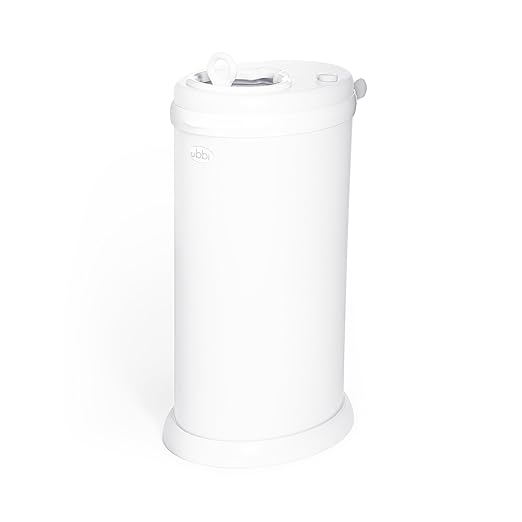
An optional disposal setup: Ubbi stainless steel diaper pail
The linked white Ubbi pail uses standard trash bags and has a sliding lid with a childproof lock, according to the listing. Compare its footprint and cleaning instructions with your changing space. A pail helps organize disposal; it does not make disposable diapers biodegradable. Keep bags out of children’s reach.
Check Ubbi diaper pail details on Amazon
For more practical setup ideas, read baby tips for new parents and planning a flight with a baby. Product listings were checked October 7, 2026. This comparison is editorial guidance, without hands-on testing or a clinician review.