


Affiliate disclosure: This article contains affiliate links. If you purchase through them, we may earn a commission at no additional cost to you. As an Amazon Associate I earn from qualifying purchases.
Flying with a 6-month-old baby is easier to plan when you break the journey into smaller decisions: the seat, the bags, the feeds and the next change. You cannot guarantee a quiet flight, but you can prepare for the tasks that are hardest to manage with one hand.
Here you will find seven helpful travel tips, two optional gear examples and a departure checklist. Start with the restraint decision before shopping or choosing a flight time, then use the closing checklist to spot anything you have missed.
1. Check health needs before booking
Ask your pediatrician about flying if your baby was premature, has a heart or lung condition, is currently unwell or has another medical concern. Age alone does not settle every travel decision. Plan destination care and any necessary medicines before departure.

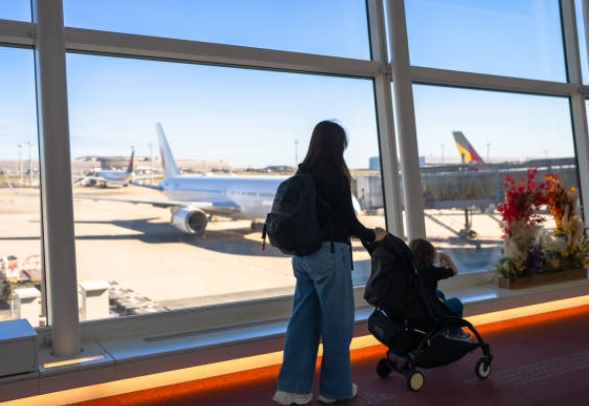
2. Pack a practical carry-on kit
Pack by task rather than filling every pocket. Keep a small change kit and a separate feeding kit accessible without emptying the bag. Test your packing arrangement at home, especially if you will travel alone.
-
Diapers and wipes (more than you think you need)
-
Changing pad and 2 plastic bags for dirty diapers
-
Extra clothes for baby and you, packed in separate bags so a spill does not affect the clean set.
-
Burp cloths, bibs, pacifiers
-
Feeding supplies for the journey and delays: your usual milk, clean feeding items and a workable storage plan. Solids, if already introduced, do not replace needed milk feeds.
-
Toys and comfort items (rattles, soft books, a teether)
-
Suitable clothing layers. Keep blankets, scarves and other loose items away from your baby’s face and out of their sleep space.
Use easy-access pouches and pack a spare bag for soiled clothing. Put the kit you will need first near the opening rather than underneath all the toys.
3. Flying with a 6-month-old baby: choose the seat first
Compare a nonstop route with the total door-to-door journey. A shorter connection may still add another boarding process and another chance to lose track of gear. A nap-time departure can be convenient, but delays may change that plan.
For flying with a 6-month-old baby, the FAA recommends an approved child restraint in the baby’s own seat. Lap travel is permitted for children under two on U.S. flights, but it provides less protection. Check the actual restraint’s aircraft certification label, fit, installation instructions and the airline’s seat-placement rules before booking. Confirm fares, documents, stroller handling and any bassinet limits directly with the airline.
An optional airport carrier: Ergobaby Omni Classic
This mesh carrier is one option for keeping your hands available in the terminal. Follow the exact fit and position instructions, keep the airway visible and check your baby’s size and developmental readiness. It does not replace a car seat or approved aircraft restraint.

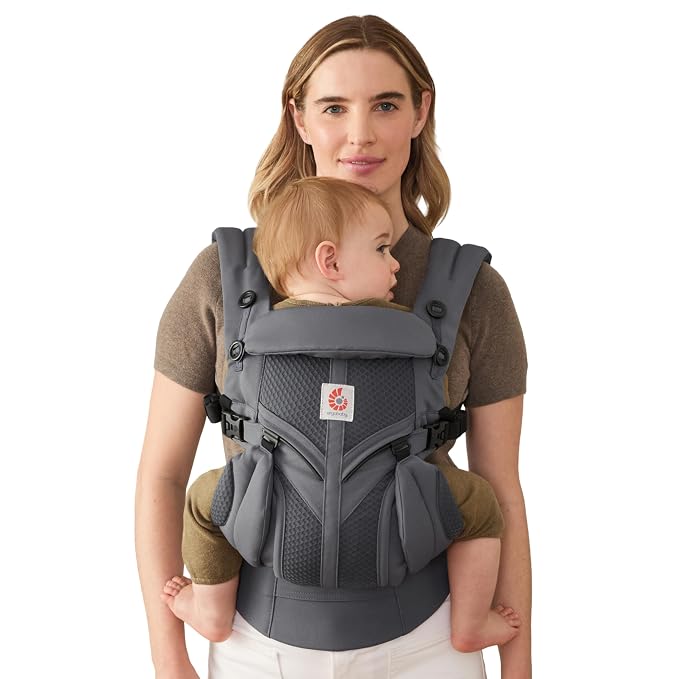
View Ergobaby Omni Classic Baby Carrier, Charcoal Grey details on Amazon
4. Make a simple airport plan
Leave enough time for check-in, screening, feeding and a change. Check your departure airport and airline guidance rather than assuming every terminal has the same facilities.
-
Allow the airline’s recommended arrival time plus a practical buffer for baby-care tasks. Have documents ready before joining the check-in line.
-
Follow the security officer’s instructions. Do not assume that every lane has a family queue or that wearing a carrier means you can use every screening machine. Check current TSA procedures for your baby and feeding supplies before departure.
-
Choose a stroller or carrier you can manage with your bags. Confirm gate-check rules and keep within the equipment’s carrying limits. A carrier is for moving through the terminal, not a replacement for an aircraft restraint.
-
Find a quiet corner at the gate. Bonus points if there’s a plug nearby to recharge your phone and your sanity.
5. Keep comfort consistent with restraint rules
Keep your baby secured according to the crew’s instructions. Sucking on a pacifier or taking a feed may ease pressure discomfort when permitted, but do not remove the baby from their restraint just to time a feed. Ask your clinician about recent ear problems before traveling.
Plan a few calm ways to occupy your baby without packing an entire toy shelf:
-
Don’t stress if your baby cries. Seriously. You’re doing your best, and most people are more understanding than you think.
-
Let baby look around. The hum of the plane and new sights are often enough to entertain them for a bit.
-
Keep your baby’s face uncovered. Do not drape a blanket over the carrier or restraint to block light. Check positioning and breathing regularly.


6. Plan feeding and milk storage
Plan milk handling before you leave. Follow the formula label and CDC preparation guidance, using a safe water source and clean equipment. Do not depend on a crew member providing water at a suitable preparation temperature. Ready-to-feed formula may simplify some trips if it is suitable for your baby; check the label and your care team’s advice.
Keep familiar feeding items within reach. CDC advises using prepared formula within two hours of preparation and within one hour of starting a feed; discard leftovers from the bottle. Follow the separate refrigeration guidance when applicable. Make a plan for cleaning and for storing expressed milk rather than applying formula timing to breast milk.
7. Prepare for a diaper change
Ask the flight attendant for the designated changing area. Use a changing pad and keep a hand on your baby. Do not use passenger seats or tray tables as a default changing surface. Pack supplies so you can carry the small kit to the restroom without taking the entire bag.
Bring extra ziplock bags for dirty clothes and diapers. Also, don’t skimp on baby wipes, they’re your Swiss army knife in the sky.
Extra ways to make boarding manageable
-
Ask to board early. Most airlines allow families with small children to pre-board. It gives you a few extra minutes to settle in.
-
Accept help when it’s offered. Yes, really. If someone offers to put your bag in the overhead bin, let them.
-
Pack a treat for yourself. Chocolate. Tea bags. Noise-canceling headphones. You deserve it.
Your flying with a 6-month-old baby checklist
Before leaving, check these seven things: your baby’s restraint and assigned seat, travel documents, airline gear rules, accessible change kit, feeding and storage plan, delay supplies, and transport at your destination. Save this flying with a 6-month-old baby checklist for the return trip too.
You do not need every accessory to be prepared. If your current gear fits and meets the instructions, practice using it and focus on the next task. Recheck airline and destination requirements close to departure because policies can change.
An infant car-seat option to check: Graco SnugRide SnugFit
The current Gotham listing states rear-facing use from 4 to 30 lb and up to 32 inches. Check all fit limits, the actual aircraft certification label and the manual before planning to use it on a flight. Confirm airline compatibility and destination vehicle installation. This listing is a comparison starting point, not a guarantee of fit.
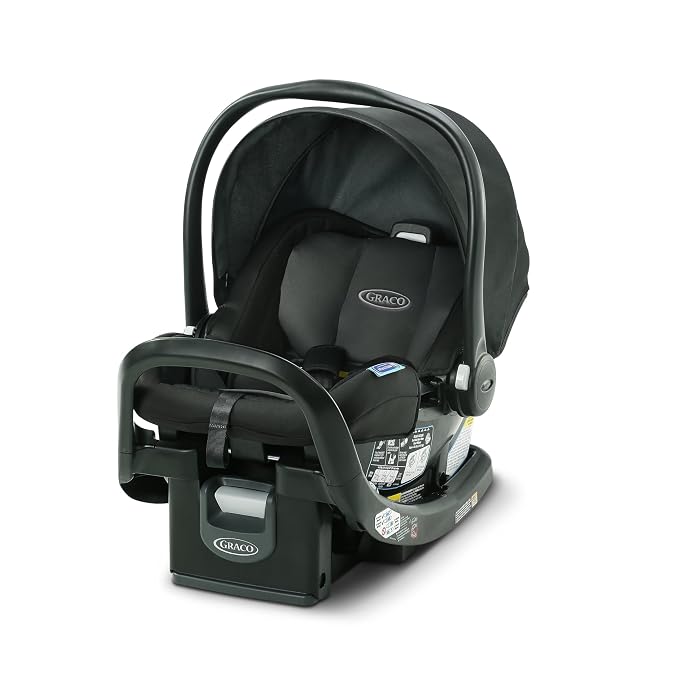
View Graco SnugRide SnugFit Infant Car Seat, Gotham details on Amazon
Sources checked October 8, 2026: FAA child restraint guidance, AAP flying with a baby and CDC formula preparation and storage. Check current TSA child screening procedures before departure. For feeding breaks, see our baby burping resource. This article has not received an individual clinician review.