

Affiliate disclosure: This article contains affiliate links. If you purchase through them, we may earn a commission at no additional cost to you. As an Amazon Associate I earn from qualifying purchases.
Potty training does not become stress-free just because you buy a particular chair. A useful potty should fit your child and your routine, while the pace of learning still depends on their readiness.
Here you will find the original short video and four checks to use before shopping: readiness, supported feet, a calm routine and cleanup. You will also see two optional practical products. Start with the readiness check now; a purchase can wait if your child needs more time.
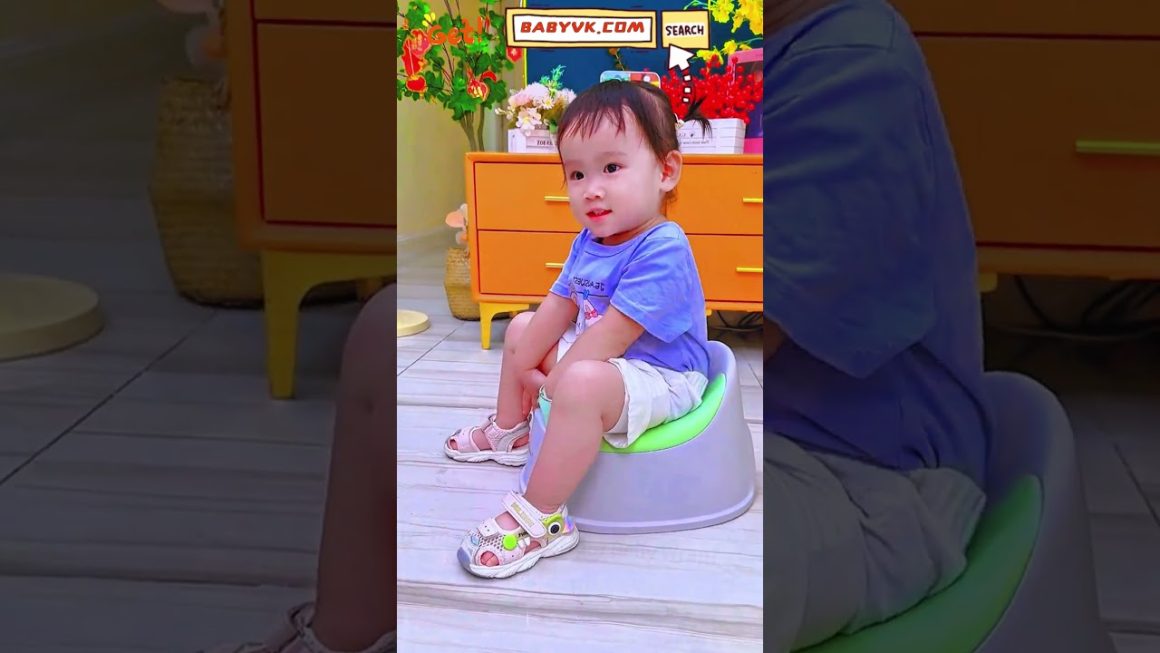
The original baby-potty video

The linked BabyVK video presents a baby potty under a stress-free training title. This companion does not confirm that outcome, identify its exact chair or reproduce a transcript. The separately named product below is an option to compare, not a match to the video.
1. Check potty training readiness
Nationwide Children’s Hospital describes signs such as noticing the need to pee or poop, communicating a wet diaper, following instructions and showing interest in the toilet. Timing varies. A chair cannot supply skills or interest that are still developing.
Write down what your child can do now and where they need help. For example, they may notice a wet diaper but still need assistance with clothing. This gives you a useful starting point for a conversation with their pediatrician, rather than a deadline set by a shopping video.
2. Check fit and supported feet
A floor potty should be low enough for your child’s feet to rest firmly on the floor. A toilet seat adapter needs appropriate foot support. Nationwide Children’s explains both options in its toilet-training guide.
Look at the actual dimensions and supplied instructions. Check that the seat is stable on the surface where you plan to use it. A backrest, color or splashguard may matter to your household, but none proves the chair fits every child.
3. Build a calm potty training routine
The American Academy of Pediatrics’ planning guidance emphasizes encouragement, consistency and observing your child’s changing needs. Praise progress without punishing accidents. Agree with other caregivers on the words you use and the sequence of bathroom steps.
Try a small, repeatable plan instead of changing several things at once. Decide where supplies will stay and how an adult will help. If the plan becomes frustrating, discuss what to adjust rather than assuming a more expensive chair is the answer.
An optional cleanup supply


Huggies Natural Care Sensitive Unscented Wipes, 768 Count: This verified listing is the 768-count unscented pack. Check the current ingredients and your child’s skin tolerance. Use as directed for skin cleanup when useful; these baby wipes are not a disinfectant for the potty and should not be flushed.
4. Make cleanup part of the setup
Teach handwashing with soap and water after using the potty. Empty a potty chair after use and clean it according to its instructions and the cleaner’s label. Keep cleaning products out of children’s reach. Nationwide Children’s includes hygiene as part of its training guidance.
Before choosing a chair, consider whether you can remove its bowl and reach the surfaces you need to clean. Read the instructions before adding any chemical. A wipe intended for skin and a cleaner intended for a hard surface serve different purposes.
Potty training questions
Will a baby potty make training faster?
There is no guarantee. Choose a practical fit for your child, and let readiness and a supportive routine guide the process.
Should my child stay seated until they go?
No. Nationwide Children’s advises against forcing a child to remain on the toilet until they pee or poop. Keep attempts brief and comfortable.
What if my child is distressed or training is difficult?
Pause pressure and speak with your pediatrician about your child’s needs. Seek clinical advice for painful toileting or other concerning symptoms, rather than treating them as a product-selection problem.
Compare an optional potty chair


BabyBjörn Potty Chair, Deep Green/White: The observed listing describes backrest and armrests, a rubber strip underneath, a splashguard and a removable inner potty. Check the actual instructions, your child’s fit and stability. These design features do not guarantee comfort or training success for every child.
If your current setup fits and works, you may not need another purchase. For a broader daily structure, see our toddler routine guide. Choose one next step your family can repeat calmly.