


A homeopathy interview can tell you why someone chose a career and what their experience felt like. It cannot, by itself, establish that a treatment caused recovery or will work for another person.
Here you will find the original Nathalie Agnus profile in brief, its source link and five checks for reading its health claims. You will also get questions to take to a qualified healthcare professional. Review the evidence and safety context now, before making a treatment decision.
Medical context: NCCIH reports little evidence that homeopathy effectively treats any specific health condition. Do not use it to replace proven care or delay medical assessment. Ask your healthcare professional about any product you are considering.
The original homeopathy profile
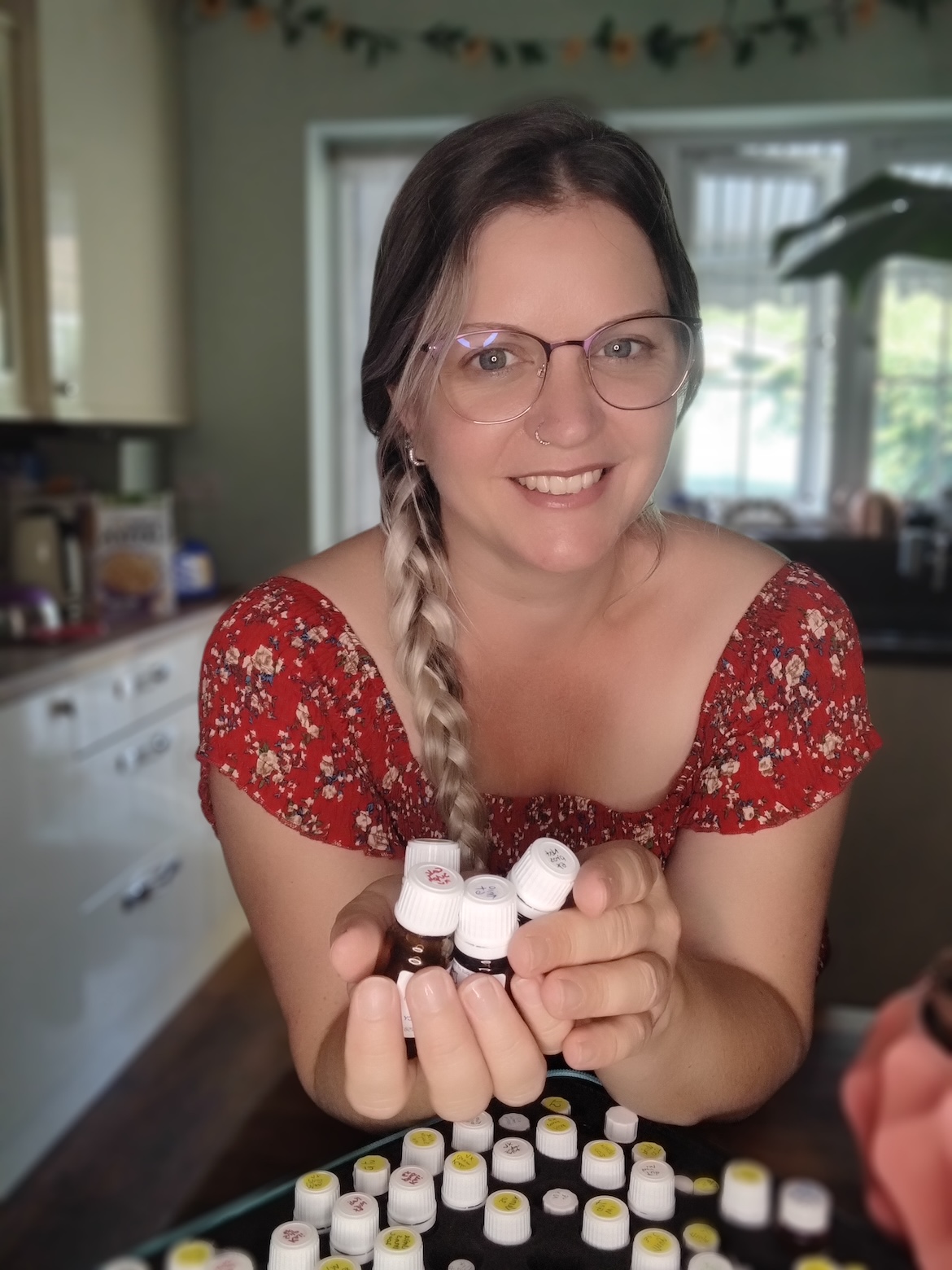
The original Natural Parent Magazine interview introduces Nathalie Agnus, founder of Reclaim Your Health. She describes retraining while raising four children, health difficulties and her interest in listening to women’s experiences. The source presents her own account and professional views; it is not a clinical study.

| Theme | Personal account in brief |
|---|---|
| Inspiration | Interest in meaningful work alongside family life |
| Launch | Study and practice-building through interruptions |
| Breakthrough | Her interpretation of her health experience |
| Family balance | Managing work and parenting |
| Challenges | Retraining and rebuilding after separation |
| Business | Flexibility alongside administrative demands |
| Future | Her hopes for wider awareness of homeopathy |
Read the source for the full interview. This updated companion does not independently verify her recovery, qualifications or treatment outcomes.
1. Separate a personal story from a treatment result
When someone describes improving after a particular experience, the sequence alone does not show what caused the improvement. Ask what other care, circumstances or changes were involved, and whether the claim has been evaluated beyond a testimonial.
You can respect a person’s account without applying it as a treatment instruction. Keep the question specific: what condition is the proposed treatment intended to address, and what evidence supports that use?
2. Check the evidence for homeopathy
NCCIH’s evidence review explains that effectiveness claims need more than personal reports. Some products labelled homeopathic can contain active ingredients with side effects or interactions. A highly diluted label does not remove the need to discuss product safety.
Ask for the research behind the exact claim rather than a general description of balance, energy or whole-person care. Note the condition, product and outcome being discussed. If the answer remains unclear, take that question to a qualified healthcare professional before changing care.

3. Review the product label and safety information
The FDA homeopathic-products guidance states that no products labelled homeopathic are FDA-approved. It describes risks including measurable active ingredients, contamination and incorrect dilution, and recommends discussing product choices with a doctor or pharmacist.
Bring the actual package or a clear label photograph to that discussion. A general name for a remedy may not identify the exact formulation. Keep a list of the medicines and other products you use so the conversation can address the specific situation.
Do not assume a shop shelf, an appealing description or a professional-looking website establishes approval or effectiveness. Confirm the precise claim instead of treating the presentation as evidence.
4. Take postpartum symptoms seriously
The original profile mentions baby blues, anxiety and exhaustion among reasons people may seek support. These experiences should not be turned into a shopping recommendation or a homeopathy treatment promise.
The NIMH perinatal-depression guide explains that severe mood symptoms or symptoms lasting longer than two weeks after childbirth may indicate postpartum depression. Contact a healthcare professional for assessment. Treatment can include therapy, medication or both.
Seek help immediately for thoughts of harming yourself or the baby, or symptoms such as hallucinations, delusions or severe confusion. In the U.S., call or text 988 for crisis support; call 911 for immediate danger. Do not wait for an alternative-treatment consultation.
NIMH also makes clear that perinatal depression is not a person’s fault. The original interview’s suggestion that suppressed emotions cause disease should not be treated as an established diagnosis or a reason to blame yourself.
5. Prepare clear questions for your care team
Write down the concern you want help with and the decision you are considering. Ask who will assess it, which options have evidence and how follow-up will work. If a discussion leaves you uncertain, request clarification rather than guessing at the next step.
| Topic | Question |
|---|---|
| Concern | What assessment does this symptom need? |
| Evidence | What supports the proposed treatment for this condition? |
| Product | What does this exact label contain? |
| Follow-up | Who should I contact if symptoms change? |

Frequently asked questions
Does this profile prove that homeopathy caused recovery?
No. It preserves a personal and business profile, with evidence context added separately. A testimonial does not establish cause or effectiveness.
Is a homeopathic label the same as FDA approval?
No. Review the FDA guidance linked above and discuss the exact product with a doctor or pharmacist.
Should I stop prescribed care after reading an interview?
Do not change prescribed treatment on the basis of a profile. Discuss your questions with the professional responsible for your care.
Where can I read the original account?
Use the Natural Parent Magazine source link above. Its subject’s views and experiences remain distinct from clinical evidence.
Read the story with its evidence context
The original profile links to Reclaim Your Health as the featured business. That informational link is not a treatment endorsement. For separate practical reading, see our family routine guide and caregiver support ideas.
Use these homeopathy checks to distinguish someone’s account from a healthcare decision. Keep the source available, ask specific questions and seek appropriate professional assessment.