


Affiliate disclosure: This article contains affiliate links. If you purchase through them, we may earn a commission at no additional cost to you. As an Amazon Associate I earn from qualifying purchases.
Your pregnancy journey can bring unfamiliar changes before you have worked out which questions to ask. A useful starting point is knowing what to observe, what to discuss with your care team and what can wait.
These four guides cover early body changes, food planning, comfortable clothing and preparing for your baby. You will get an actionable question for each stage, two optional product comparisons and eight FAQ answers. The last guide helps you build a practical budget without buying everything at once.
Act on warning signs promptly. The CDC urgent maternal warning signs guide says to seek immediate medical care for symptoms such as trouble breathing, chest pain, fainting, a severe or worsening headache, severe belly pain, severe vomiting, or thoughts of harming yourself or your baby. Bleeding, leaking fluid or reduced usual fetal movement also need prompt attention. This is not a complete list; contact your care team if something feels wrong.
1. Pregnancy journey changes: notice patterns and ask questions
Early pregnancy does not look the same for everyone. The NHS signs and symptoms guide describes nausea, tiredness, tender breasts, more frequent urination and changes in taste or smell among possible experiences. Nausea can happen at any time of day, and having few symptoms does not by itself tell you how a pregnancy is progressing.
These changes can affect work, meals and your usual routine. Keep a short note of when a symptom started, what makes it harder and any associated symptoms. That is more useful at an appointment than trying to match every feeling to a weekly checklist.
Do not assume every physical or emotional change is caused by hormones. Discuss persistent low mood, anxiety, pain or symptoms that interfere with daily life. Rest and practical support may be welcome, but they are not a substitute for assessing a health concern.
| Area | Useful question |
|---|---|
| Nausea or vomiting | What options suit my symptoms and health history? |
| Fatigue | Does this pattern need assessment? |
| Urinary changes | Should pain or other symptoms be checked? |
| Mood | What support is available if I am struggling? |


2. Plan varied meals rather than eating for two
The NHS pregnancy diet guide recommends a varied diet and explains that you do not need to eat for two. Aim for a manageable range of foods rather than a perfect plate at every meal. If nausea, allergies or dietary restrictions make that difficult, ask for individual advice.
Discuss recommended supplements with your clinician or pharmacist. Food choices alone do not replace the recommended folic acid supplement. Avoid treating a nutrient list as a guarantee that a particular outcome will be prevented.
| Food group | Planning idea |
|---|---|
| Fruit and vegetables | Choose a variety and wash produce |
| Starchy foods | Keep familiar meal options available |
| Protein foods | Choose suitable options and prepare them safely |
| Dairy or suitable alternatives | Check food safety and relevant nutrients |
Food safety also matters. The NHS foods-to-avoid guide covers risks associated with raw meat, unpasteurised milk and certain fish, and recommends limiting caffeine to 200 mg daily. Follow local guidance on preparation and specific foods. Ask about herbal products rather than assuming a tea is safe because it is natural.
Optional item: Contigo AUTOSEAL Cortland Water Bottle, Monaco, 24 oz
The observed Contigo listing offers a 24 oz adult water bottle with an AUTOSEAL lid. Compare its size, opening and cleaning directions with a bottle you already own. It may be a convenient container for your own drinks, but it is not an infant bottle or a treatment for nausea, fatigue or a pregnancy complication.


Check current details on Amazon
Keep the next step small: write down a few meals you can manage and take any supplement or food-safety questions to your care team.
3. Choose clothing around comfort and actual fit
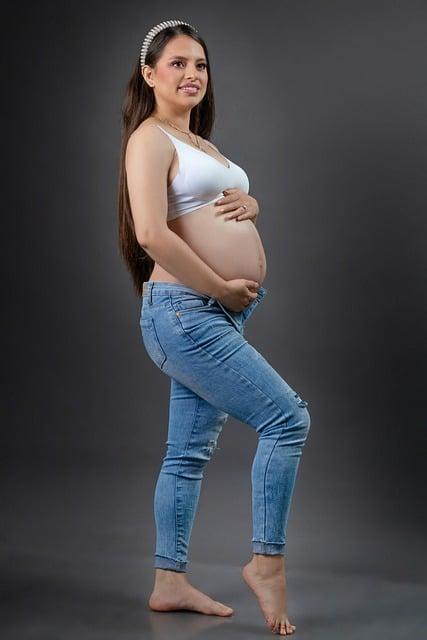
Your usual clothes may work for a while, or you may prefer a few alternatives sooner. Look at how waistbands, seams and fabric feel when you sit, walk and move. There is no required week for changing your wardrobe.
Compare measurements rather than relying only on a label marked maternity. A roomy top, adjustable waistband or dress may be useful, but a garment cannot promise comfort for every body or stage. Check the return policy and fabric care before ordering.
Consider stable footwear that fits your current needs. Do not treat shoes or a support belt as a solution to new swelling or pain. Ask your clinician about symptoms and whether a particular support product is appropriate for you.

4. Prepare for your baby with a staged budget
Start with the needs that will matter at home and during travel, then separate them from optional extras. Assign a budget to each category before choosing brands. A registry can help organise requests, but it does not need to become a list of every available accessory.
Our baby accessories guide offers further comparisons for sleep, feeding, travel and everyday care. Choose items for their actual intended use and relevant instructions, not a promise that they will make parenting effortless.
Secondhand equipment needs its own checks. Do not assume every used item is suitable because it looks clean. Confirm identity, instructions, condition and relevant recall information; ask for appropriate specialist guidance when the history or suitability is unclear.
DIY decorations can be enjoyable, but keep decorative objects separate from the infant sleep space and out of reach. You can make a keepsake or organise supplies without turning craft materials into baby equipment.
The most useful final step is a shared plan: who can help, which purchases can wait and whom to contact with questions. That plan can change as you learn about your baby’s needs.
Supplementary video from the original article
The original video embed is retained as supplementary material. This updated guide is not a transcript or confirmation of the video’s contents.
Frequently asked questions about your pregnancy journey
When can I take an early pregnancy test?
The NHS pregnancy testing guide says most tests are most reliable from the first missed period. If you do not know when the period is due, test at least 21 days after the last unprotected sex. Follow the specific test instructions. A negative result can be less reliable if taken too early.
Are unusual symptoms always pregnancy symptoms?
No. Symptoms alone do not confirm pregnancy, and a new problem should not automatically be attributed to it. Discuss concerning changes with a healthcare professional.
What helps with morning sickness?
Ask your care team about food, fluid and treatment options that suit your situation. Seek prompt help if vomiting is severe or you cannot keep fluids down. Herbal remedies are not automatically suitable.
How much weight should I gain?
There is no single target that applies to everyone. Discuss an individual plan using your health history, starting weight and pregnancy circumstances rather than following a universal number.
What should I do about mood changes?
Tell your care team if low mood, anxiety or other changes persist or make life difficult. You deserve support rather than being told to dismiss everything as hormones.
When should I arrange my first appointment?
Contact a pregnancy care provider promptly after a positive test to arrange care and ask about timing. Do not wait for a fixed week if you have symptoms, medication questions or other concerns.
Can I exercise during pregnancy?
The NHS pregnancy exercise guide says activity can often continue when it is comfortable. If you are starting something new, begin gently, and ask your care team about any health conditions or individual restrictions. Stop and seek advice if activity causes concerning symptoms.
What might surprise me most?
Your priorities may change as your needs change. Leave room to adjust meals, clothes, routines and spending rather than treating a checklist as a prediction of your experience.
Optional clothing comparison for your pregnancy journey
Optional item: OUGES Women’s Wrap Pregnancy Maxi V Neck Fall Baby Shower Maternity Dress
The observed OUGES listing describes a long-sleeve wrap-style maxi dress with a V-neck, empire waist, pockets and a tie. Its listed fabric blend is 65% polyester, 30% cotton and 5% spandex. Compare the current size chart, coverage and care instructions before choosing. Fit, comfort and opacity are not guaranteed for every wearer.


Check current details on Amazon
Keep your pregnancy journey plan flexible: ask about health changes, make manageable preparations and choose optional purchases around your actual needs.