


Affiliate disclosure: This article contains affiliate links. If you purchase through them, we may earn a commission at no additional cost to you. As an Amazon Associate I earn from qualifying purchases.
Newborn baby basics become more manageable when you turn a long list of advice into a few questions you can actually use. Before the first night at home, focus on the instructions that belong to your baby and the practical tasks your household will share.
This page keeps the original video and adds five checks: discharge notes, feeding questions, the ride home, sleep space and caregiver support. You will leave with a simple first-day plan and a short list of questions for your care team.
Watch the newborn baby basics video

Watch the original video on YouTube. The written checks below are separate iBabyMama editorial context. They are not a transcript or a claim that the video discusses every point.
1. Put your discharge instructions in one place
Keep the notes you receive from the hospital or birth setting together. Identify the follow-up appointment, the phone number for questions and any instructions specific to your baby. Ask about anything you cannot explain back in your own words.
Use a short note rather than trying to remember everything: next appointment, next task and whom to call. If another adult will help, show them where that note lives. Keep personal records private when sharing general questions online.
The AAP recommends arranging the baby’s first follow-up visit before discharge and discussing your sleep setup with hospital staff. Follow the appointment timing your own team gives you.
2. Write down feeding and diaper questions
Ask your care team what feeding and diaper changes they want you to report. Your newborn’s instructions should reflect their actual needs, not a volume or timetable copied from another family’s routine.
Choose a simple way to remember the last feed and the question it raised. For example, a brief note might say that a feed was difficult and describe what happened. Bring that description to a feeding-support conversation rather than making several equipment changes at once.
If you use bottles, keep the relevant preparation and cleaning instructions accessible. Make sure a helper knows whether they are handling formula or expressed milk so they can find the appropriate guidance.
3. Check the ride home before you need it
AAP guidance advises a rear-facing seat for infants and following both the car seat and vehicle manuals. A certified child passenger safety technician can help with installation. The useful question is whether the actual seat fits your baby and vehicle and is used correctly.
Write down where the manual is kept and who has practiced the installation. If you share transport between caregivers, repeat the check for each setup. Do not assume that a familiar brand means every model installs the same way.
A car seat option to compare: Graco SnugFit Gotham
The current observed listing specifies rear-facing use from 4 to 30 lb and up to 32 inches. Follow the exact seat label and manual, including head-clearance limits. Check expiration and current recalls. Confirm installation with your vehicle instructions and seek qualified help when needed. This listing is not a guarantee that the seat fits every newborn or vehicle.

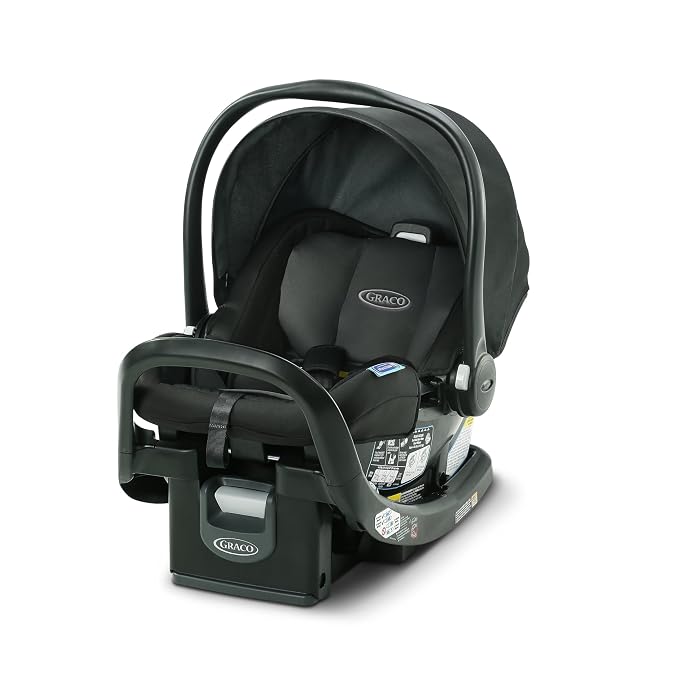
View Graco SnugRide SnugFit Infant Car Seat, Gotham on Amazon
4. Review the sleep space with a fresh eye
Use a separate, firm, flat infant sleep surface that meets applicable safety standards. Place your baby on their back, with no loose blankets or other soft items. AAP guidance supports room sharing without bed sharing.
Check the setup rather than the appearance of the room. Put instructions for the crib, bassinet or playard within reach and use only the components allowed by the manufacturer. If you cannot arrange a suitable surface, ask your care team about local assistance.
Our newborn sleep schedule guide offers related context. A schedule does not override feeding instructions or safe sleep practices.
5. Make a first-day caregiver plan
Agree on the next ordinary task and who will do it. A useful handoff says what happened last, what needs to happen next and what remains uncertain. It does not need to score how well someone is parenting.
If you are caring for your baby alone, identify a person you can ask for specific practical help. A prepared meal, a supply pickup or company during an appointment may be easier to request than a vague offer to help.
Keep your care team’s contact details easy to find. If your baby seems unwell, seek medical advice promptly instead of waiting to finish an online checklist. Our Baby Health 101 guide explains related concerns to discuss.
Questions about newborn baby basics
Should I buy everything before coming home?
Start by checking the suitable supplies you already have and the tasks your household needs to do. A complete shopping list does not replace learning how to use the items safely.
What if the video differs from my discharge advice?
Ask your own care team to clarify. Keep general learning separate from instructions tailored to your baby. Do not change a medical plan based on a video alone.
Your newborn baby basics plan for today
Find the discharge note, confirm the next appointment, check the transport and sleep setups, and agree on one handoff. Save one unresolved question for your care team. You can keep learning without trying to master every routine in a single day.
An everyday clothing option: Carter’s cotton footies
The observed Newborn two-pack has front zip closures, not a verified two-way zip design. Check the current size chart and actual fit. Choose layers for the room conditions and avoid overheating. A spare outfit may help organize changes, but it does not guarantee better sleep.


View Simple Joys by Carter’s Baby Neutral Cotton Footed Sleep and Play, 2 Pack, Newborn on Amazon
Sources checked October 8, 2026: AAP bringing baby home guidance and AAP car seat information. This page has not received an individual clinician review.