


Affiliate disclosure: This article contains affiliate links. If you purchase through them, we may earn a commission at no additional cost to you. As an Amazon Associate I earn from qualifying purchases.
Newborn essentials are easier to choose when you begin with everyday tasks instead of an endless shopping list. Think about where your baby will sleep, how feeds and changes will be handled and who will help. A small, usable setup can be more practical than a nursery full of duplicates.
This page keeps the original SuperBottoms video and adds six registry checks. You will get a way to review sleep, feeding, diapering, clothing, care supplies and household logistics. The final checklist helps you decide what to buy now and what can wait.
Watch the original newborn essentials video

Watch the original SuperBottoms video on YouTube. The checklist below is separate iBabyMama editorial context, not a transcript or a claim that the video demonstrates these points. The Amazon examples are separate products and are not presented as SuperBottoms items.
1. Put the sleep setup before decorative extras
AAP guidance recommends placing babies on their backs for sleep on a firm, flat surface in a crib, bassinet, portable crib or play yard meeting current safety standards. Use the correct fitted sheet and keep pillows, loose bedding, toys and other soft objects out of the sleep space. Check instructions and recalls rather than relying on a seller’s reassuring description.
Write down the exact sleep product you own or plan to buy before shopping for accessories. Confirm which items its instructions permit. A standard crib sheet should not be assumed to fit a bassinet or play yard, and an attractive nursery bundle does not establish compatibility.
For the underlying recommendations, read the AAP safe sleep guide. Our newborn sleep article gives related planning context. Keep these decisions separate from choosing nursery colors.
2. Match newborn essentials to your feeding plan
Ask your care team what supplies fit the feeding approach you are using. Start by checking the items you already have and the instructions that came with them. A generic registry should not determine a baby’s feeding schedule or replace individualized feeding support.
If you need bottles or pumping equipment, compare assembly, cleaning and storage requirements before ordering extras. Ask whether parts are compatible with the equipment you own. Choose supplies that you and another caregiver can use correctly, rather than assuming that every item marketed for newborns will fit your situation.
Keep a small cleanup area nearby. Decide where used items go and how clean items are stored. A repeatable handoff is more useful than buying several accessories with overlapping jobs. Our paced bottle-feeding guide offers questions to discuss when bottle-feeding is part of your plan.
3. Organize a realistic diaper-changing station
List what the person doing the next change will reach for: diapers, cleanup supplies, spare clothing and a place for used items. Check product directions and keep supplies accessible to the adult caring for the baby. Do not leave a baby unattended to collect an item from another room.
For disposable or reusable options, compare the actual package or care instructions. If you are considering reusable diapers, think through washing and where used items will be kept. For any approach, avoid buying a large duplicate stock before you know what fits your routine.
A brand’s marketing description is not an independent safety assessment. Check the current label, ingredients and size before using a new item. If your baby’s skin becomes irritated or you have a care concern, ask a clinician for advice instead of adding several new products at once.
Optional newborn essentials item: Huggies Natural Care Sensitive Unscented Wipes, 768 Count
These are a separate cleanup example to compare with the supplies you already use. Read the current label and package details before buying; no wipe suits every baby. Observed 12 flip-top packs of 64 unscented wipes. Check current ingredients and skin tolerance. Disposable wipes are not a whole-routine environmental claim.


View Huggies Natural Care Sensitive Unscented Wipes, 768 Count on Amazon
4. Choose clothing around changes and laundry
Look for clothing that makes ordinary changes manageable for the people using it. Check size information, closures and care directions. You can compare a small selection first instead of assuming one newborn size will fit every baby or buying many copies of an untried style.
Think about the laundry routine as well as the outfit. Decide where clean clothes, spare clothes and used clothes will go. If another adult will help, show them the setup so they do not need to search while holding the baby.
Sleepwear does not replace a suitable sleep space. Follow its directions and the relevant sleep guidance rather than adding loose blankets as a decorative finishing touch. Keep daytime accessories separate from what is appropriate for sleep.
5. Review care supplies with someone who can guide you
Ask your care team which basic care items you should have and how to use them. A thermometer or grooming tool is only helpful when you understand the directions and know when a concern needs medical advice. Save the clinic’s contact details alongside your care notes.
Compare the product’s intended age, instructions and cleaning requirements. Do not assume a large kit is better simply because it contains more pieces. Choose what you can explain and use correctly, and ask for a demonstration when a task feels unfamiliar.
Keep care supplies organized and out of a child’s reach. Agree on where they belong after use so another caregiver can find the right item. Our baby health guide can help you organize questions for a care conversation.
6. Give every purchase a job in your household
Before adding another item, ask what task it solves, where it will live and who will maintain it. Some newborn essentials support daily care; others are optional conveniences. Keeping that distinction clear can make a registry easier to share and reduce duplicate gifts.
Write the exact product or compatibility requirement beside any item that needs to match equipment you already own. Mark purchases that can wait. A gift giver can then help with a useful task instead of guessing from a long list of attractive products.
Newborn essentials questions
Do I need everything in a newborn essentials bundle?
No single bundle determines what your household needs. Compare its contents with your feeding plan, sleep equipment and daily routine, then check each item’s instructions and suitability.
Are these Amazon products from SuperBottoms?
No. The video and the optional Amazon examples are separate. The examples are included to make particular shopping considerations concrete, without implying a relationship between the brands.
What should I check before asking for a registry item?
Check its intended use, compatibility, size, care requirements and available storage space. For a care or safety decision, consult the relevant instructions and a qualified professional when needed.
Your newborn essentials shopping checklist
Start with the next task: sleep, feed, change or care. Check what you already own, record the exact requirement and choose one useful next step. Share the list with the person helping so the setup is understandable as well as complete.
Optional newborn essentials item: Ubbi Stainless Steel Diaper Pail, White
A diaper pail is an optional household convenience. Compare how it fits your changing area and waste routine rather than treating odor control as a baby health benefit. The observed listing describes a stainless steel pail, standard trash-bag compatibility, sliding lid and childproof lock. It is an optional disposal convenience. Odor-control wording is a manufacturer claim, not independently tested performance. Keep bags inaccessible to children.
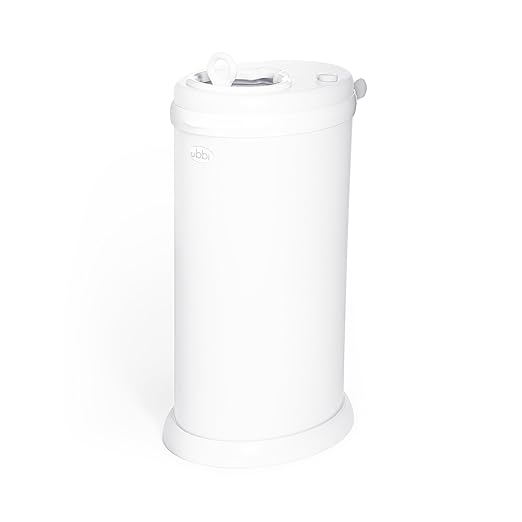
View Ubbi Stainless Steel Diaper Pail, White on Amazon
Sources checked October 8, 2026: AAP safe sleep guidance linked above. Product descriptions come from the previously verified Amazon listings and should be checked against the current package and instructions. This educational page has not received an individual clinician review.