

Affiliate disclosure: This article contains affiliate links. If you purchase through them, we may earn a commission at no additional cost to you. As an Amazon Associate I earn from qualifying purchases.
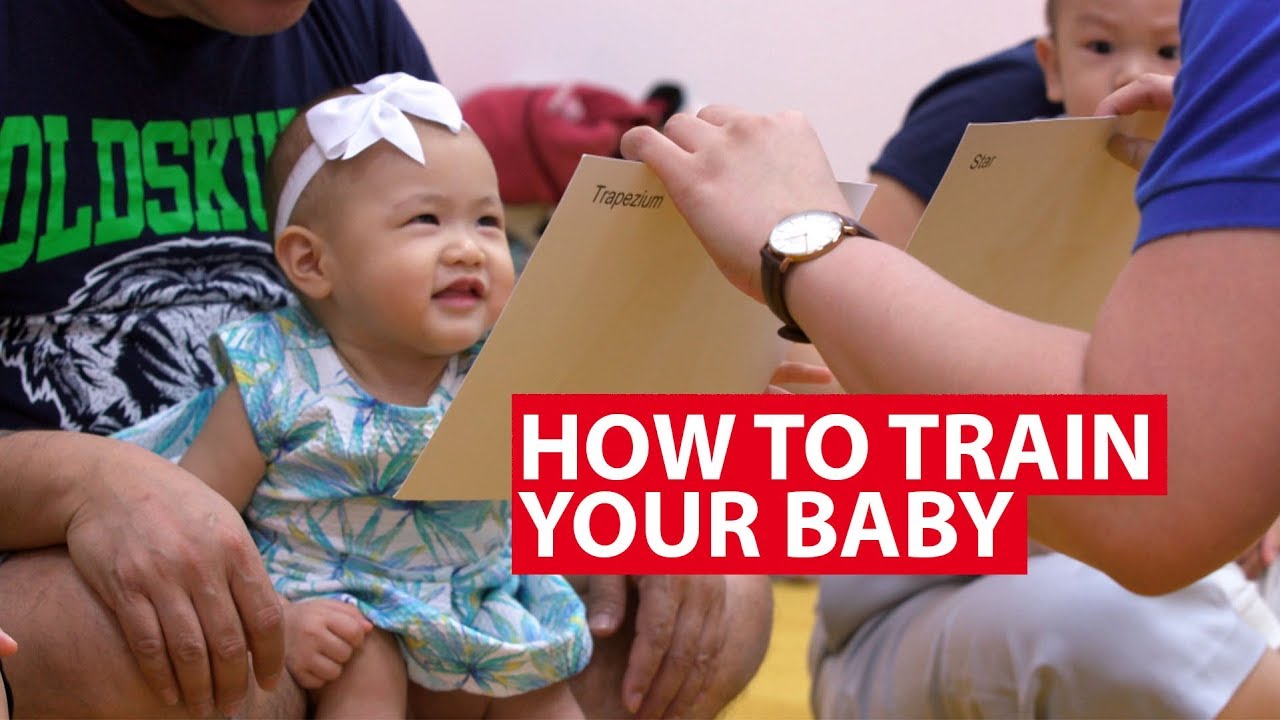
Can a training video tell you how to make a baby “super smart”? That is the question behind the CNA Insider upload preserved below. This baby learning companion does not treat a video, program or product as a guarantee of intelligence.
You will find the original source, three checks for evaluating training claims and a simple shared-reading idea. At the end is an optional picture book for caregiver-led reading as your child grows, with its format and age guidance made clear.
The original baby learning video from CNA Insider

Watch How To Train Your Baby To Be Super Smart by CNA Insider. The source runtime is 3 minutes 43 seconds. This companion retains the report without presenting an invented transcript or endorsing every activity it may show.
1. Ask what a baby learning claim actually promises
Before paying for a program, write down its specific promise. Does it describe an enjoyable activity, a measured skill or a broad claim about future intelligence? Those are different things to evaluate.
Ask what evidence supports the outcome, which children were studied and whether that evidence applies to your situation. A striking demonstration or a familiar example is not enough information to judge a program’s wider results.
This page does not establish that the linked video or a particular training method increases IQ. If you have concerns about your baby’s development, take those concerns to your pediatrician rather than rely on a title or comparison with another child.
AAP guidance on sharing books with a baby recommends reading together from birth. It emphasizes your voice, closeness and a playful exchange rather than finishing a story. You can point to pictures, try different sounds and follow your baby’s attention.
Choose a comfortable moment when you can engage with your child. You do not need to deliver a lesson or collect a score afterward. Think of the book as a starting point for time together.
For another perspective on everyday family activities, explore our happy brain guide or Montessori parenting journey article.
3. Match the activity and book to your child
The AAP resource suggests sturdy board or fabric books for babies who explore books by mouthing them. It also describes looking away, fussing or arching as possible cues for a break. Shared reading should be enjoyable rather than forced.
A book you read aloud yourself can be different from a book you place in a baby’s hands. Check the format and condition, supervise use and choose materials appropriate for how your child currently explores.
Keep your plan manageable. One pleasant reading moment is a useful place to begin; you do not need to turn every daily routine into a training session.
Baby learning questions
Does the original title guarantee a result?
No result is established here from the title alone. Use the source link to view the report and ask what supports any claim you are considering.
Must I finish a book with my baby?
The AAP guide encourages following your baby’s attention and taking breaks. The interaction matters more than reaching the final page.
Do I need to buy the featured book?
No. It is an optional older-child picture-book example. A suitable book you already own or borrow can also give you a starting point for shared reading.
An optional picture book for reading together as your child grows


The Pigeon Wants a Puppy by Mo Willems, Hardcover: This English-language hardcover by Mo Willems has 40 pages. The listing gives a reading-age range of 2 to 6 years, which is a selection guide rather than a guarantee of interest. It is not a baby board book or a chewing toy. If it suits your child’s stage, you can read it aloud together and let their interest guide the conversation.
View the optional picture book on Amazon
Your next step can be small: choose a book suited to your child and enjoy a short shared moment. Keep larger claims about training results separate from that everyday interaction.