
Affiliate disclosure: This article contains affiliate links. If you purchase through them, we may earn a commission at no additional cost to you. As an Amazon Associate I earn from qualifying purchases.
Potty training from birth is a striking idea, but the first question is what the phrase actually describes. A caregiver noticing an infant’s patterns and helping with elimination is different from a child independently recognizing the need to go, reaching the toilet and managing clothing.
This article keeps the original Bimbi Bum founder story in view and adds five questions for evaluating it. You will learn how to separate a personal experience from a general claim, assess readiness, compare equipment and plan cleanup. The final question helps you decide whether the routine fits your child and household.
There is no requirement to begin from birth or match another family’s timeline. Discuss an infant toileting approach with your child’s clinician, especially when support, positioning or health needs are unclear. This is context for an existing founder story, not a medical endorsement of a device or a step-by-step newborn positioning guide.
1. What does the original potty training story describe?
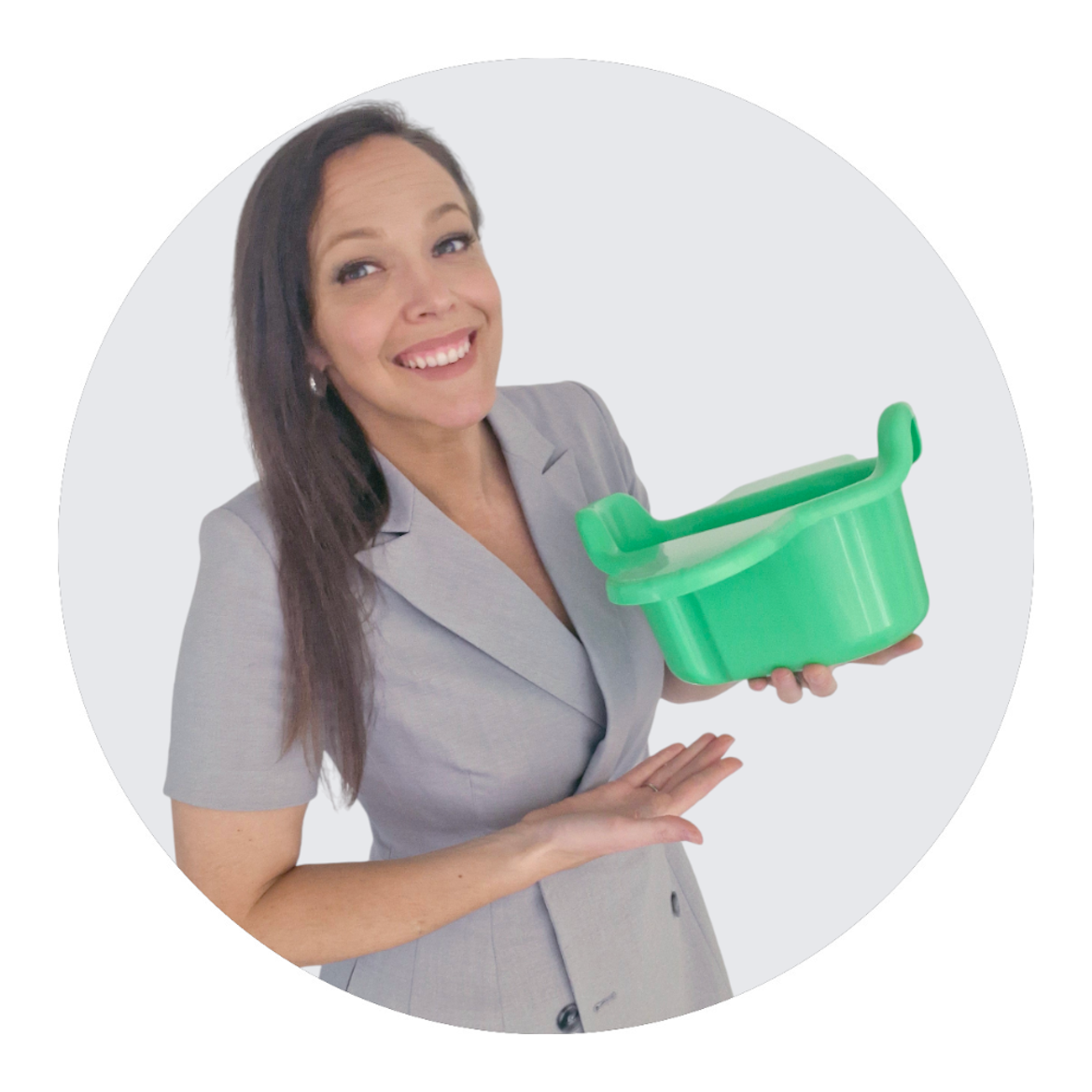
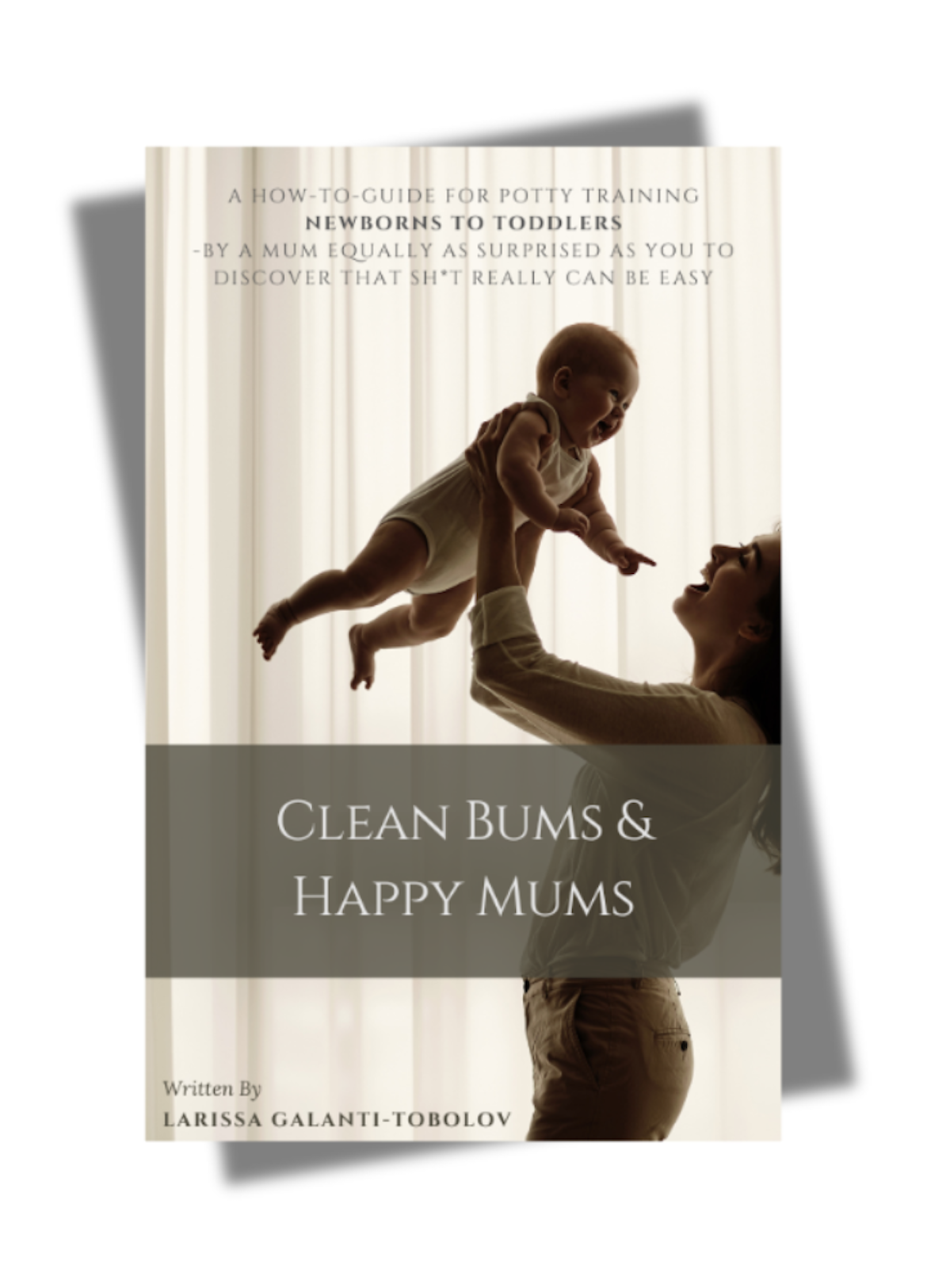
In The Natural Parent Magazine’s founder interview, Larissa Tobolov describes how her family’s experience with elimination communication led to Bimbi Bum and its Potty Plane. She recounts experimenting with an early toileting approach, developing a prototype and building the business around family life. The interview also discusses her ebook, Clean Bums and Happy Mums.
Those are the founder’s reported experiences and business history. Her family’s results and customer feedback do not establish that every baby will reach the same milestones. The story is useful for understanding the product’s origin, while independent guidance is needed for decisions about your child’s care.
2. Is caregiver assistance being confused with independence?
The phrase early potty training can combine two different goals. One is an adult observing patterns and assisting an infant. The other is a child learning to manage toileting tasks. Ask which outcome a story, course or product listing is discussing before interpreting its success claim.
The American Academy of Pediatrics explains toilet readiness in terms of body awareness, understanding instructions, physical tasks and willingness. It notes that signs of bladder and bowel control generally emerge between 18 and 24 months. Readiness can include staying dry for a period, communicating a need and helping with clothing. These are developmental considerations, not proof that a younger infant can independently use a toilet.
Separate a caregiver’s successful timing from the child’s ability to take over. Avoid calling ordinary diaper use a failure or suggesting that parents are holding a child back. A chosen family routine does not need to become a competition over who starts earliest.
3. What needs checking before buying equipment?
A brand story explains motivation; it does not answer every question about a device. Before considering equipment for early potty training, obtain the exact model’s current age and size limits, support requirements, instructions and cleaning directions. Ask the manufacturer to clarify anything that is missing rather than inferring newborn suitability from a photograph.
The original interview links to the Potty Plane product. That link is retained as part of the source story. This article has not independently established the device’s safety, current availability, certifications or clinical benefits. The Amazon cleanup examples below are separate from that product and do not validate it.
For a toddler learning toileting, consider stable support and a setup the child can use appropriately. For an infant, ask the care team about positioning and physical support before changing the routine. Do not improvise a holding method from a promotional image or assume a household bowl is suitable.
Optional cleanup comparison: Huggies Natural Care Sensitive Unscented Wipes, 768 Count
If diapers remain part of your routine, compare these wipes with the cleanup supplies you already use. Read the actual package directions and consider your child’s skin needs. Wipes are not a substitute for handwashing or cleaning equipment as instructed. Observed 12 flip-top packs of 64 unscented wipes. Check current ingredients and skin tolerance. Disposable wipes are not a whole-routine environmental claim.

View Huggies Natural Care Sensitive Unscented Wipes, 768 Count on Amazon
4. How will cleanup and caregiver handoffs work?
Plan for the ordinary tasks before focusing on a completion date: changing, storing supplies, managing soiled clothing and following equipment cleaning instructions. Keep waste and cleaning products away from children. A tidy storage system does not make supervision optional.
Explain the chosen routine to other caregivers without asking them to copy a method they do not understand. Write down which equipment is used, what assistance the child needs and when to stop. Keep a practical diaper plan for times when the toileting approach is not suitable or manageable.
For broader care planning, our newborn care resource and baby basics guide cover related household questions. Potty training is one part of care, not a reason to overlook feeding, sleep or a baby’s comfort.
5. Does the routine fit your child and family?
The founder’s decision to build a business around family life is part of the original story. For another household, the useful question is more immediate: who can provide the necessary attention and how will the routine fit the day? A product purchase does not create time, support or developmental readiness.
MedlinePlus toilet-training guidance advises waiting for readiness and avoiding pressure. It recommends backing off when a child resists, staying calm about accidents and teaching handwashing. Daytime progress and nighttime control may take different amounts of time. It also advises contacting the child’s healthcare provider about pain with urination or stools and new accidents after previous training.
Keep expectations flexible. Pause a routine that is distressing or not workable and seek qualified advice about concerns. Potty training should not become a test of whether you are a sufficiently attentive parent. Your child’s needs matter more than a testimonial’s deadline.
Optional cleanup comparison: Ubbi Stainless Steel Diaper Pail, White
For households still using disposable diapers, a diaper pail is an optional storage comparison. Check the exact bag and cleaning instructions. Its role is waste storage, not speeding up toileting or making a room hygienic by itself. The observed listing describes a stainless steel pail, standard trash-bag compatibility, sliding lid and childproof lock. It is an optional disposal convenience. Odor-control wording is a manufacturer claim, not independently tested performance. Keep bags inaccessible to children.
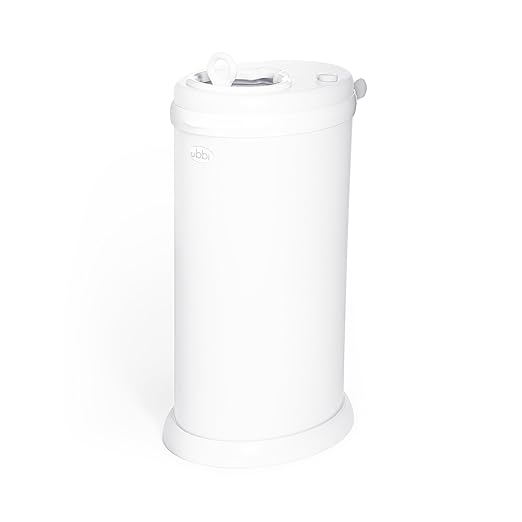
View Ubbi Stainless Steel Diaper Pail, White on Amazon
Frequently asked questions
Is potty training from birth the same as independent toileting?
No. Caregiver-assisted infant toileting and a child’s independent management of the toilet involve different responsibilities. Ask what a success claim measures and how much assistance the adult provides.
Do I have to stop using diapers?
The founder’s approach is not an obligation for your family. Keep care decisions appropriate to the child and the routine you can manage. Discuss specific questions with the care team rather than following a testimonial as a universal rule.
Does the Potty Plane story prove the product works for every baby?
A founder interview and customer experiences do not establish a universal result or independent safety assessment. Read current instructions and ask questions about the exact device before considering it.
Are the Amazon products required for potty training?
No. Wipes and a diaper pail are optional cleanup examples for a household using diapers. They do not establish readiness, replace supervision or make an early toileting method effective.
Read the story, then choose your own next step
Use the original interview to understand the invention’s background. Bring questions about your child’s readiness and equipment to the appropriate professional, and choose a manageable care routine. You do not need to reproduce another family’s experience for your own parenting to be valid.