


Affiliate disclosure: This article contains affiliate links. If you purchase through them, we may earn a commission at no additional cost to you. As an Amazon Associate I earn from qualifying purchases.
Starting solids brings plenty of questions before the first spoonful. Is your baby ready? Which texture should you offer? How do you keep the meal calm and supervised? Begin with the feeding plan and the safety questions, then consider the equipment.
This page preserves the original first-food video and adds five practical checks for readiness, food preparation, supervision, allergy questions and cleanup. You will get a short planning guide to use with your baby’s care team.
Watch the original starting solids video
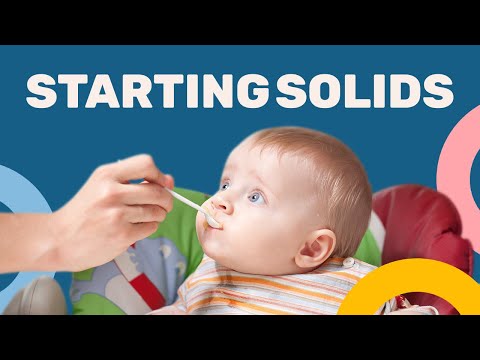
Watch the original first-food video on YouTube. The written guide below is separate iBabyMama editorial context, not a transcript or an endorsement of unverified video advice.
1. Check readiness for starting solids
CDC guidance recommends beginning complementary foods at about 6 months, with developmental readiness. Signs include sitting with or without support, controlling the head and neck, opening the mouth for food and swallowing rather than pushing food out. Starting before 4 months is not recommended.
Discuss readiness with your care team if you are unsure, particularly when your baby has individual feeding or developmental needs. A date on the calendar does not settle every question about how to begin.
Write down what you notice and what you want clarified. Keep general learning separate from instructions tailored to your baby so another caregiver can find the actual plan.
2. Match the food texture to your baby’s development
CDC describes smooth mashed, pureed or strained foods as easier at first, with texture changing as feeding skills develop. Preparation matters: hard foods, large pieces and sticky spoonfuls can create choking risks. Ask for guidance on foods you are unsure how to prepare.
Check the texture before serving, not just the recipe name. A food described as suitable for babies still needs to be prepared appropriately for the child eating it. Keep one clear preparation instruction available for anyone sharing the meal.
A feeding-tool option: OXO Tot silicone spoons
The saved OXO Tot spoon option is a tool for supervised feeding. Check the current set contents, age guidance and cleaning instructions. Inspect it for damage and follow the manufacturer’s directions. A spoon does not determine whether your baby is ready for solids or make a risky food texture safe.


View OXO Tot Silicone Spoons, 2 Pack, Blossom and Opal on Amazon
3. Set up a calm, supervised meal
CDC advises having children sit upright in a high chair or other safe place, watching them throughout eating and avoiding meals in the car or stroller. Avoid rushing and distractions. Ask your child’s clinician how to prepare for a choking emergency.
Arrange the meal so the supervising adult can pay attention. Put ordinary supplies nearby beforehand and leave unrelated chores for later. If two adults are present, agree who is actively supervising rather than assuming the other person is watching.
Equipment should fit the task and be used according to its manual. Follow seating and restraint instructions. A useful setup supports supervision; it does not replace it.
4. Ask about introducing allergens
CDC recommends introducing potentially allergenic foods along with other foods. If your child has severe eczema or an egg allergy, ask their clinician about when and how to introduce peanut-containing foods safely. Do not improvise an allergy challenge at home when you have been given a different plan.
Before trying something unfamiliar, confirm what form is appropriate and what your care team wants you to do if a reaction occurs. Keep those instructions available to all caregivers.
Record the food offered and a specific question if one arises. A simple note can support a conversation without turning every meal into a complicated monitoring project.
5. Make cleanup easy without adding pressure
Prepare a washable cloth and an ordinary place for used items. Choose a routine you can repeat rather than a perfect-looking table. Check the cleaning instructions for feeding tools before their first use.
After the meal, note one thing to follow up and one thing to prepare next time. Keep product purchases separate from questions about swallowing, growth or reactions. Those concerns need care-team guidance.
Questions about starting solids
Do I need a particular first food?
CDC says most children do not need foods introduced in a fixed order. Ask your care team how to choose and prepare suitable foods for your baby’s needs.
Does new equipment make the meal safer?
Suitable equipment used correctly may help organize a meal, but it does not remove choking risks. Food preparation and attentive supervision remain essential.
Your starting solids checklist
Confirm readiness, choose a suitable texture, prepare the supervised setup and resolve allergy questions. Put cleanup supplies nearby before you begin. For related feeding context, see our infant nutrition guide.
A cleanup option: Yoofoss cotton muslin cloths
This observed White ten-pack measures 20 by 10 inches per cloth and is listed as cotton muslin. Follow washing instructions and inspect for wear. Use for supervised cleanup or burping, and keep loose cloths out of infant sleep spaces. These cloths do not prevent choking, reflux or spit-up. You may already own suitable washable cloths.

View Yoofoss Muslin Burp Cloths, White, 10 Pack, 20 by 10 inches on Amazon
Sources checked October 8, 2026: CDC’s introducing solid foods guidance and choking prevention guidance. This page has not received an individual clinician review.