

Affiliate disclosure: This article contains affiliate links. If you purchase through them, we may earn a commission at no additional cost to you. As an Amazon Associate I earn from qualifying purchases.
Kanuka skincare began with a founder’s interest in the plants around her home. Ray Kreyl’s story brings together family life, hands-on formulation and the realities of running a small business. Reading that story can be interesting without deciding that every product belongs in your family’s routine.
Here you will find the original interview in brief, its photographs and four questions to ask before buying skincare. You will learn how to check the actual formula, who it is intended for and what a claim tells you. The last check helps you decide whether you need anything new at all.
The original Kanuka skincare founder story
In The Natural Parent Magazine’s interview, Ray Kreyl describes developing kānuka forest after moving to New Zealand’s Far North for off-grid living. Her first kānuka-infused apricot kernel oil grew from experimenting in response to her adult daughter’s acne concerns.
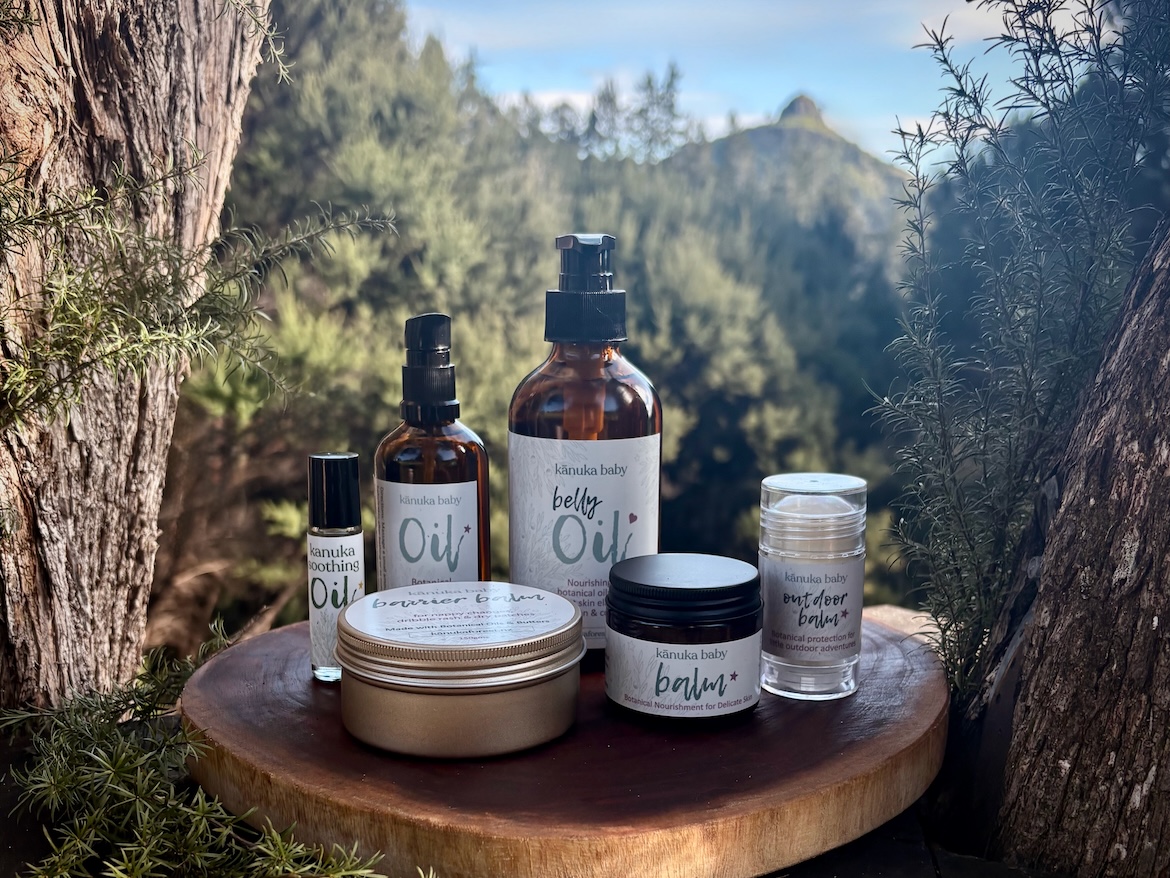
| Interview theme | What Kreyl describes |
|---|---|
| Inspiration | Motherhood, simpler living and plants growing on her land. |
| Beginning | An infused oil that became the starting point for the business. |
| Breakthrough | Her account of improvements that encouraged further formulation. |
| Family balance | Scheduling workspace and a separate eating area. |
| Challenges | Formulation problems and handling many business roles. |
| Creative choices | Balancing new ideas against demand and development costs. |
| Future hopes | Thoughtful growth while retaining small-batch production. |
These are the founder’s experiences and ambitions, rather than clinical evidence or independent testing by iBabyMama. Visit the official kānuka forest website for current products and labels, or its Facebook and Instagram pages for brand updates.
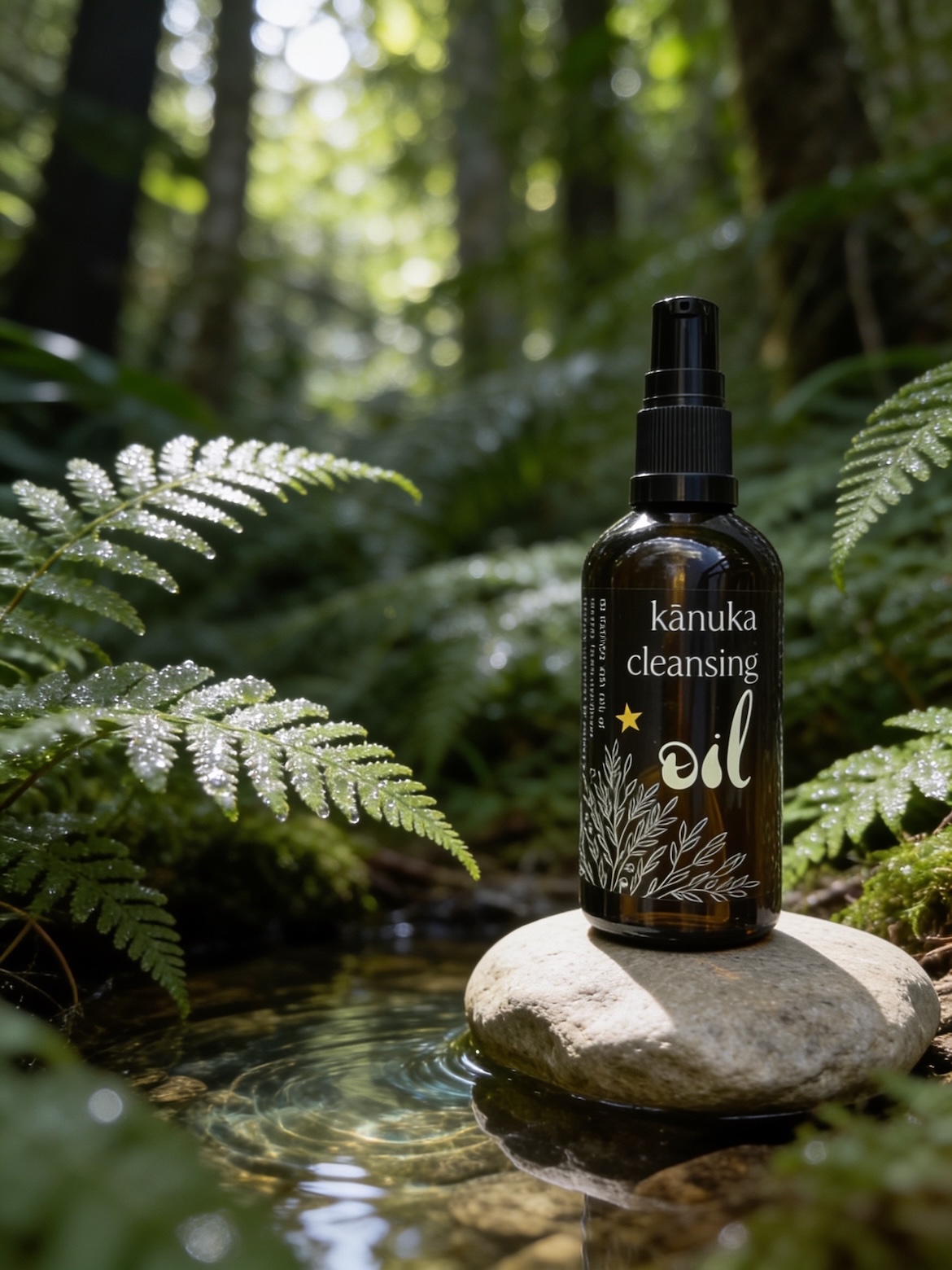
1. Read the exact formula, not just the collection name
A collection name can tell you the brand’s theme. It does not give you every ingredient, direction or restriction for each bottle. Open the individual product page and look for the complete label before deciding where it fits.
The American Academy of Dermatology’s product-testing guidance notes that botanical or unscented products can still contain fragrance-related ingredients. A natural description cannot guarantee individual tolerance. If a particular ingredient has caused trouble before, use that information when reading the label.
A practical shopping note can be very short: the intended use, the full ingredients, the directions and one question you still need answered. Ask the maker for clarification if those details are missing. A photograph of a bottle is not a substitute for readable label information.
2. Check who the product is intended for
Keep adult facial care, pregnancy products and infant skincare as separate decisions. Do not infer that an adult oil is suitable for a newborn because the company also sells baby products. Check the individual product’s intended user and ask your child’s clinician when suitability is uncertain.
For routine infant bathing, AAD’s baby-care guidance recommends mild, fragrance-free baby soap and shampoo, applied to dirty areas and rinsed away. Direct questions about your baby’s skin to a pediatrician or dermatologist. An expanding collection does not mean every item is necessary.
For an adult, consider your existing routine and any treatment plan before adding another formula. Keep prescribed treatment decisions with the professional who knows your situation rather than changing them because of a founder’s personal account.
3. Separate a personal story from evidence
The interview explains what encouraged the founder to continue creating products. That account helps readers understand the business. It does not establish that a formula will treat acne, eczema or another condition for somebody else.
When reading a product claim, ask what exactly it refers to. Is it an ingredient, the complete finished formula, a customer’s experience or a study of the product? Those sources answer different questions. If testing is mentioned, ask what was tested and what the result actually measured.
You can appreciate small-batch making without assuming a treatment outcome, universal suitability or a particular safety certification. This profile does not independently verify those points. If your concern needs diagnosis or treatment, use professional advice rather than a shopping description.
4. Decide what your routine actually needs
Before ordering, name the step you want to change. Is a current cleanser uncomfortable, is a label unclear or are you simply curious about a new brand? If your existing routine meets your needs, you can enjoy the founder story and keep using what you have.
For adults considering a new formula, AAD describes testing on a small area twice daily for seven to ten days, following normal use directions. This is an individual tolerance check, not a guarantee or a replacement for clinical allergy testing. Stop using a product that causes a reaction and seek appropriate care.
Save the product name and packaging when you try something new. They make it easier to explain a question to the maker or a clinician. Resist adding several optional steps at once simply because they arrive as a set.

Kanuka skincare questions
Is this an independent product review?
No. It is a credited introduction to the founder interview with separate shopping checks. iBabyMama has not tested the Kanuka range or established treatment results.
Does a family collection mean one formula suits everybody?
No. Read each product’s label and intended use. An adult’s experience does not establish suitability for an infant or another family member.
Where can I read the complete founder interview?
Use the original Natural Parent Magazine source linked above. Its full account covers inspiration, formulation, family balance, business challenges and future hopes.
One optional adult facial cleanser to compare

Vanicream Gentle Facial Cleanser, 8 fl oz: This separately identified option is not part of the Kanuka range. The manufacturer describes a soap-free, pH-balanced facial cleanser without botanical extracts or essential oils. Its directions are to apply to wet skin, lather, rinse and pat dry. Compare the actual current label with your own needs; this is not an acne treatment recommendation or an infant-use suggestion.
View the optional cleanser on Amazon. If your current cleanser works comfortably, there may be no reason to replace it. For a separate age-specific discussion, see our skincare routine for tweens guide or explore everyday mom tips.