
Affiliate disclosure: This article contains affiliate links. If you purchase through them, we may earn a commission at no additional cost to you. As an Amazon Associate I earn from qualifying purchases.
Baby teething relief starts with simple comfort and a check that nothing else is wrong. A baby who wants to chew may benefit from gentle gum pressure, but fever or a baby who seems ill should not be dismissed as teething.
Here are 12 comfort and safety checks, plus two optional product examples. You will learn what to try, what to skip and when to call for help. The closing checklist helps you choose a next step without collecting a cupboard full of remedies.
Get help early: For a baby younger than three months, a temperature of 100.4°F (38°C) or higher needs an immediate call to your pediatrician. Seek emergency help for breathing difficulty or a baby who is hard to wake. Do not delay care to try a teething product.
Recognize symptoms before choosing baby teething relief
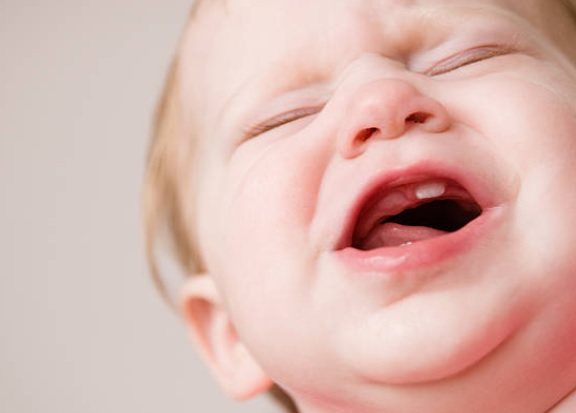
Drooling, chewing and mildly tender gums can accompany emerging teeth. AAP guidance says teething does not cause fever or diarrhea. If symptoms do not fit mild teething discomfort, contact your care team rather than using the appearance of a tooth as an explanation for everything.
12 baby teething relief comfort and safety checks
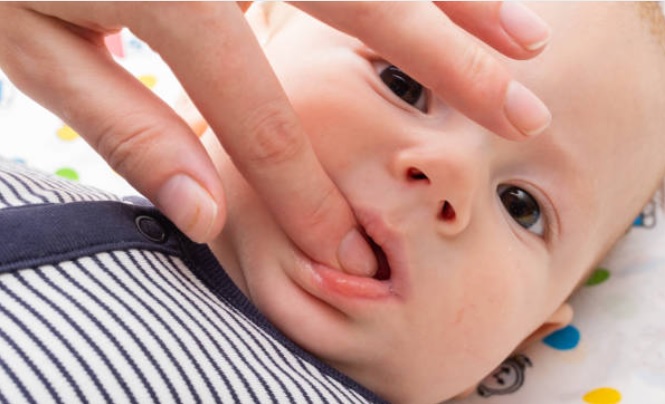
1. Try gentle pressure with a clean finger
Wash your hands and gently rub the sore gum if your baby accepts it. Keep the pressure light and stop if it seems to upset them. You do not need to put oil, extract or medicine on your finger.
2. Offer a suitable firm teether
The FDA suggests a firm, non-liquid-filled teether. Choose an age-appropriate design, follow its instructions and supervise chewing. A product’s material label does not remove the need to inspect it.
3. Keep cool items from becoming rock hard
A cool teether may be comforting if its instructions allow chilling. Do not freeze it. Avoid hard frozen cubes or improvised metal objects as chewing tools; choose something intended for the task.
4. Consider a clean, cool washcloth
A clean, cool damp washcloth is another comfort option mentioned in AAP guidance. Supervise, check for loose threads and remove it after use. Wash it before offering it again rather than leaving a damp cloth in the toy basket.
5. Continue ordinary feeding support
Offer your baby’s usual feeds and pay attention to changes in feeding. A refusal to feed deserves attention if it persists or worries you. Keep notes about what changed so your care team can help you decide what to do.
6. Try a calm distraction
A familiar song, a cuddle or a quiet change of scene can offer comfort. Try one thing at a time and notice your baby’s response. A calm moment does not prove that teething was the cause of distress.
A teether to compare: Comotomo Silicone Baby Teether
This Orange one-piece silicone design is described by the manufacturer for ages three months and older. Check the current age guidance, cleaning directions and condition before use. Supervise and do not freeze it or tie it around the neck. It is an optional chewing item, not a guaranteed cure for pain.

View Comotomo Silicone Baby Teether, Orange on Amazon
7. Clean and inspect comfort items
Follow the manufacturer’s care instructions. Replace an item that is damaged or has loose parts. Keep a clean spare accessible if that helps your routine, but more products are not automatically more useful.
8. Keep necklaces and cords away
Teething jewelry can cause choking or strangulation. Do not use amber necklaces or tie a teether around your baby’s neck. A small accessory should never be treated as harmless because it is marketed for babies.
9. Skip numbing gels and homeopathic teething products
The FDA warns against teething products containing benzocaine or lidocaine and against homeopathic teething products. They can cause serious harm. Ask your clinician about medication questions rather than adding a gel to your routine.
10. Skip oils, extracts and herbal gum rubs
Do not use vanilla extract, essential oils, coconut oil or herbal tea as improvised gum treatments. These are not the comfort methods recommended in the linked guidance. “Natural” is not evidence that a product belongs in your baby’s mouth.
11. Keep food decisions separate from teething remedies
Teething does not mean your baby is ready for solids. Do not introduce foods or hard biscuits solely to manage gum discomfort. If your baby already eats solids, follow age-appropriate feeding and choking-prevention guidance. Our starting solids guide helps you plan that separate milestone.
12. Know when comfort measures are not enough
Call your care team about fever, persistent distress, poor feeding or symptoms that concern you. Note your baby’s age, the temperature and measurement method, recent feeds and wet diapers. Avoid assuming that a new tooth rules out illness.
Baby teething relief questions
Does teething cause a fever?
AAP guidance says fever is not a teething symptom. Check your baby’s temperature as your clinician recommends and seek advice according to age and symptoms. A young infant’s fever needs prompt attention.
Can I freeze a teething ring?
No. FDA guidance says not to freeze a teething ring because it can become too hard and hurt the gums. Follow the product’s chilling instructions instead.
Do I need a special teething remedy?
Start with simple comfort. Baby teething relief does not require a numbing gel, extract or necklace. If your baby remains uncomfortable, ask your pediatrician what is appropriate for their age and situation.
Your next-step comfort checklist
Check for signs of illness first. If your baby seems well, try gentle gum pressure or a suitable cool chewing item, supervise and clean it afterward. Keep usual feeds available and ask for help when the situation does not improve. You can share this checklist with another caregiver so everyone follows the same plan.
A health-kit option: Frida digital rectal thermometer
This rectal-only thermometer is a temperature-checking tool, not a teething treatment. Follow the exact placement, cleaning and final-reading instructions and ask your care team which measurement method is appropriate. Do not wait to order a thermometer or keep repeating readings when your baby needs medical help.

View Frida Digital Rectal Thermometer for Babies, Newborns & Infants on Amazon
Sources checked October 8, 2026: FDA teething safety, AAP teething symptom guidance, AAP comfort methods and AAP fever guidance. This article has not received an individual clinician review.